The rulemaking process — nothing changes…
September 13th, 2015
Many thanks to the “little birdie” who brought this decades old report to my attention:
Yes, this is a report from the Minnesota Legislative Auditor from 1993, and if you read it, you’ll see little has changed is so many years… The issues raised are issues we’ve been raising in the Public Utilities Commission rulemaking for Minn. R. Ch. 7849 and 7850 (Certificate of Need and Siting/Routing). AAAAAAAAAAAACK!
For example, from the Summary:
For example, in the PUC Rulemaking for 7849 and 7850 (PUC Docket 12-1246), it’s been an over two-year-long process, and few are showing up anymore. We weigh in, some things are taken into account in the drafts, and then that disappears from the next draft. How can it feel like anything but a colossal waste of time? Yet if we weren’t there, the utilities would get everything they want. And as with the utility Certificate of Need and Siting/Routing processes, rulemaking has the same notice and public participation problems. It’s all the same, deja vu all over again.
… and also from the report …
Does this sound familiar?

So what is the bottom line of this report?
Also, we recommend the following additional changes to the Administrative Procedure Act:
… and …
In addition to changing the APA and other statutes that govern agency rulemaking, we recommend that:
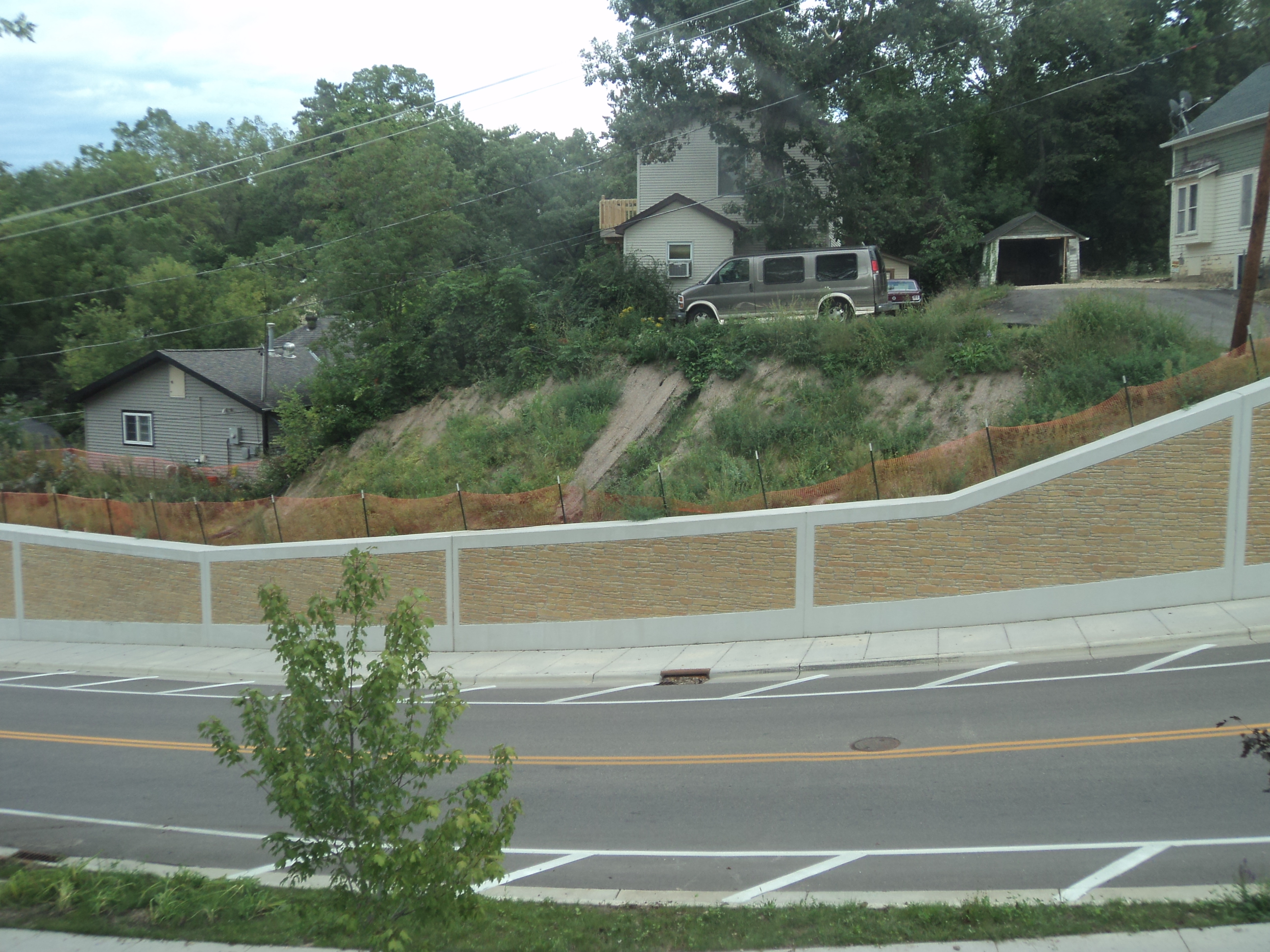
Hey, Red Wing, can we finish this project?
September 9th, 2015
Notice? For utility infrastructure projects? DOH!
September 6th, 2015
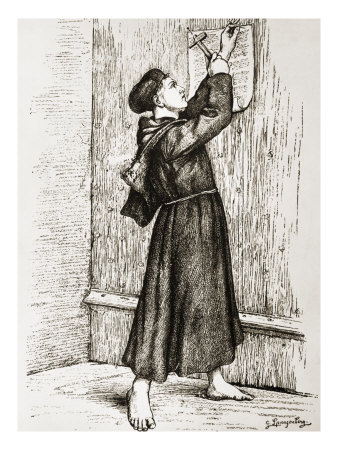 NOTICE!!! Landowners need notice if their land is affected! Local governments and residents need notice if their communities are affected! Yes, posting something can have an impact!
Notice is something that’s been an issue in utility dockets, and transmission proceedings particularly, for a long, long time. It’s something we’re trying to address in the Minn. R. Ch. 7850 in our rulemaking advisory committee meetings over the last TWO PLUS YEARS!
Here are the latest Comments:
Why does notice matter? Well, there’s this thing called “Due Process.” Notice is a fundamental Constitutional Right. It matters because “NOTICE” often doesn’t happen. And it ties in with eminent domain, where land may Constitutionally be taken for public purpose projects with just compensation (and what is a “public” project? What is “just” compensation?) If you aren’t properly informed, have no notice, what does that do to your ability to participate?
In Minnesota, it’s a matter of law, clear, simply stated law:
Looking over posts and filings where this has happened, situations I’ve been aware of where landowners have been surprised at the last minute, too late to meaningfully participate in the proceedings, have filed Motions for Reconsideration, and have been to the Appellate Court on their behalf, it is SO frustrating. Looking at the many times I’ve tried to intervene, to have intervention deadlines extended in case landowners want to stand up, There’s no excuse. People should not be surprised at the last minute with a utility attempt to run transmission over their land.
It happened recently in the Great Northern Transmission Line routing docket:
ALJ Order filed, no RRANT intervention
It happened in CapX Brookings route and on CapX Hampton- La Crosse route:
- Cannon Falls (CapX Hampton- LaX route) example to go around county park and DOT prohibited intersection area:
Cannon Falls Beacon – CapX in the news!
Dakota County resolution about CapX 2020
CAPX APPEAL — DECISION RELEASED (includes Cannon Falls)
UPDATED Updated Minnesota Appeal Update
Initial Brief – St. Paul’s Lutheran School and Church and Cannon Falls Landowners
Reply Brief – Cannon Falls Landowners and St. Paul’s Lutheran School and Church
- Oronoco(CapX Hampton – La X route) enters “new route” proposal without notice to its own landowners:
Oronoco Twp’s Exhibit 89
- USDA’s Rural Utilites Service (CapX Hampton – La X) example:
RUS Reopens Comments on Hampton-LaCrosse
- Myrick Route (CapX Brookings) example:
Myrick route withdrawn
Myrick Route & How to find things on PUC site
- In particular this “Notice” which went out after all the hearings were over with no way to participate at all: Dec 30 Notice – Myrick Route
PUC chooses Belle Plaine crossing
- This is important to understand the set-up, and now this notice was snuck in at the last minute due to Applicant and Commerce disregard for objections of DOT, DNR and USFWS.
That’s enough examples to get an idea of the problem… but there are more that I can trot out if necessary. The notice provisions in Minnesota law and rule must be corrected.
Smoke gets in your eyes…
August 26th, 2015
… and lungs and heart. This map from AirNow.gov via NPR shows the wide ranging impacts:
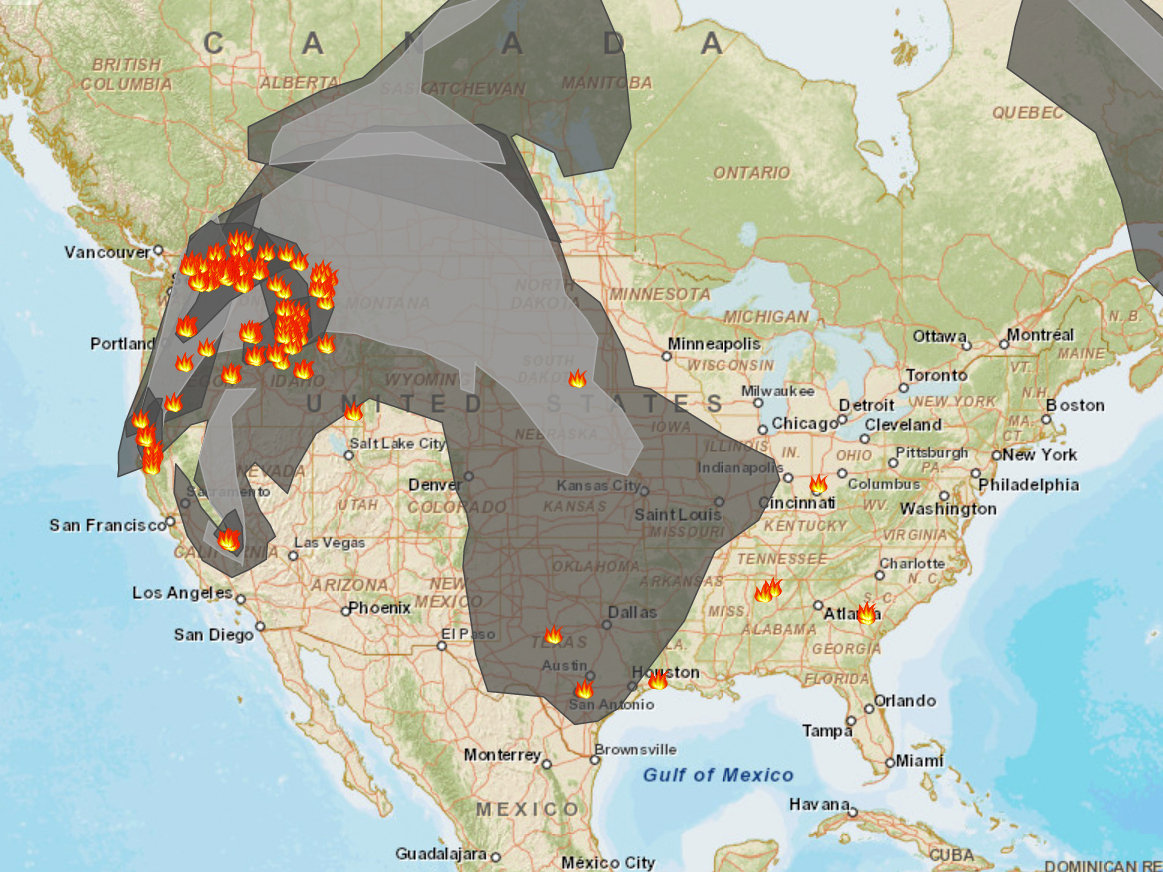 See Smoke From Wildfires Threatens Health in the West from NPR yesterday. Back when we had RED air quality warnings in Minnesota, a couple of months ago now, I was feeling it. But the last week or so, I’ve been waking up totally stuffed, headache, and it takes about an hour and a half to get my schnozz cleared out. We have no German Shepherds, and even though little one-coated Sadie does shed, and even though I nuzzled a cat day before yesterday, that’s not enough to cause this. Could it be seasonal allergies, which are admittedly worse with age (OH MY DOG, no German Sheperds is bad enough, but just breathing?)? I’m not convinced. This headache and being stuffed up isn’t my typical response, which tends to be runny eyes, sandpaper nose and sniffles. It’s got to be the fires.
Meanwhile, I know a few folks who live out there, and in addition to having to evacuate and be on alert, others with relatives heading out to fight the fires, there are more subtle affects, where it’s showing up unbidden in photography jobs, an added interference with chemo for cancer, and a hazard for COPDers.
Here’s the chart of emissions for the Midtown Burner, from Saying NO to Midtown Burner Permits prepared by Alan Muller based on the Midtown Burner proposed air permit for the roughly 38MW biomass plant that was to burn “clean” trees in a much smaller amount than these wildfires across the west:
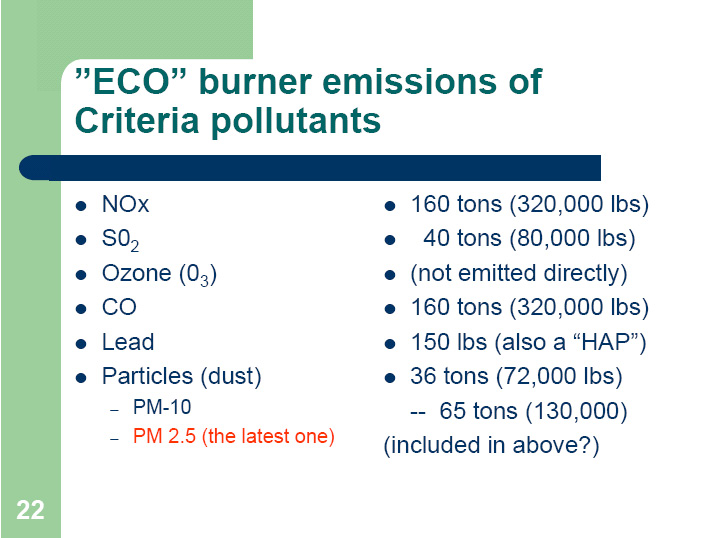
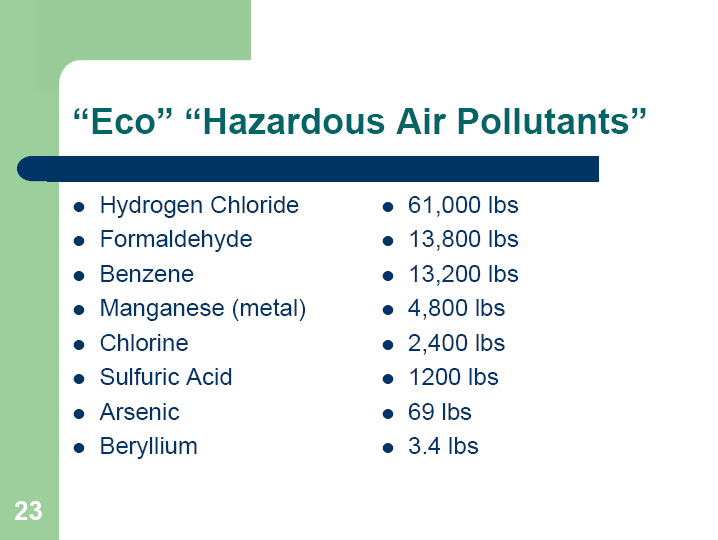
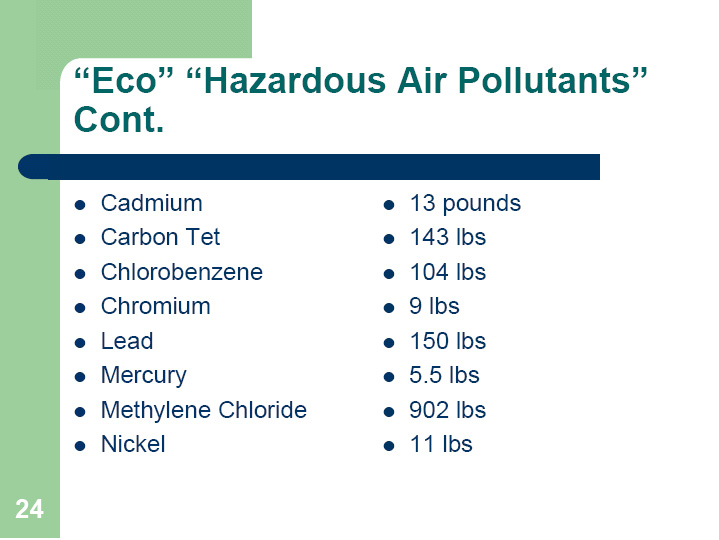
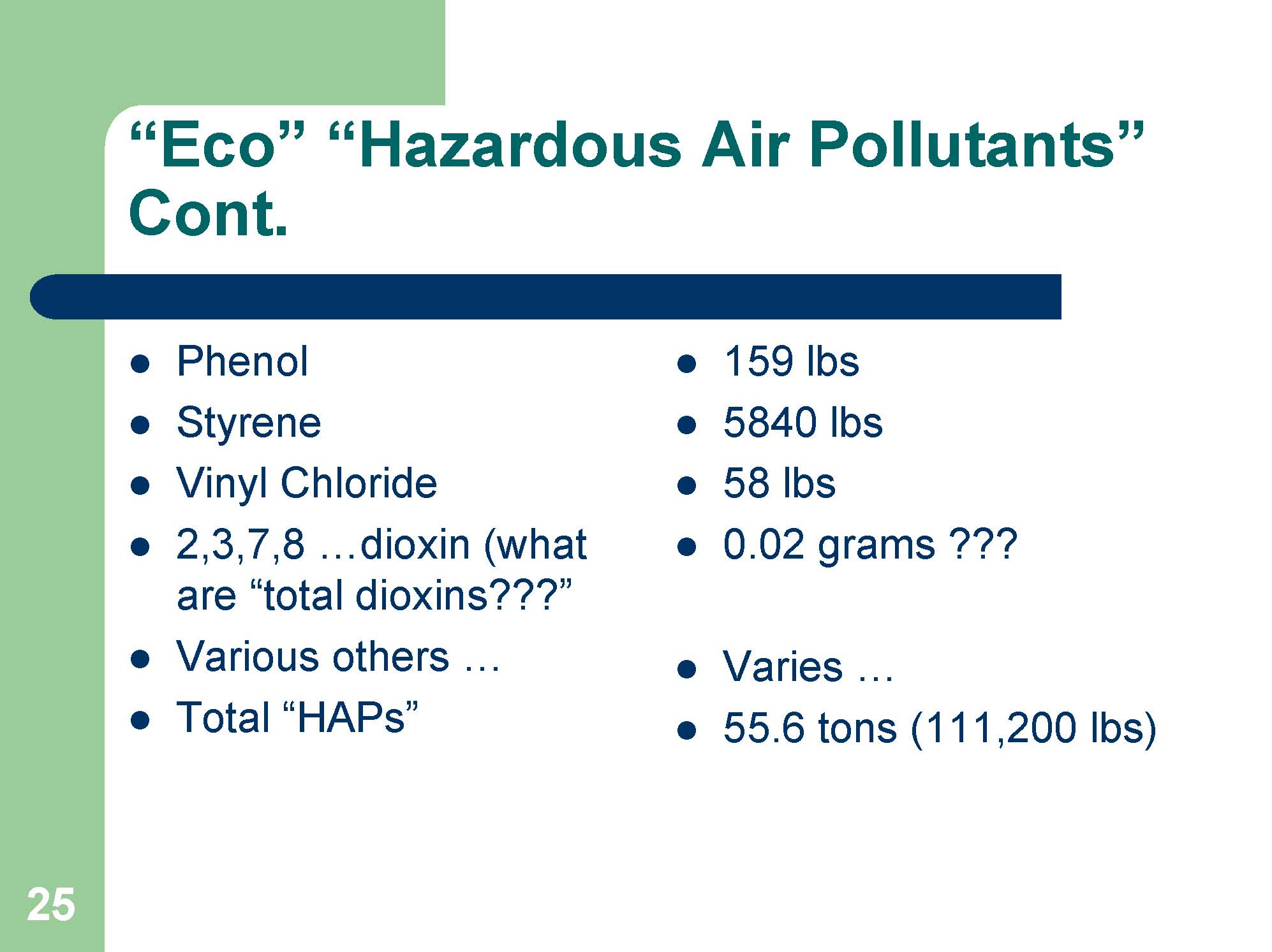
So if these are the numbers for the small biomass burner, what are the emissions for these wildfires? Is anyone doing testing in the plumes for what people are exposed to? There’s the emissions as above of things like formaldehyde that come from “clean” trees, the tremendous Particulate Matter, but what about all the other things too that are burned in these fires, like plastics, tires, creosote and penta poles? I’m not finding anything, and it seems this is something that should be done by the Washington, Oregon, California, Idaho, etc., state environmental agencies. There should be active warnings to people to wear masks outdoors, and indoors to filter the air. We have a HEPA filter for every room, but we’re not normal. The impacts of breathing this air will be felt immediately by some people, but there’s a high likelihood that impacts are cumulative and/or take time to develop. Protection now is crucial.
It’s National Dog Day!
August 26th, 2015

Little Sadie celebrates National Dog Day, and gives me a bit of whale-eye for daring to take her picture:

And to all the dogs I’ve loved before…
Ode to Summer… November 26th, 2012

Saying good bye to Kady November 22nd, 2014

Oh, it’s a sad day… May 26th, 2010
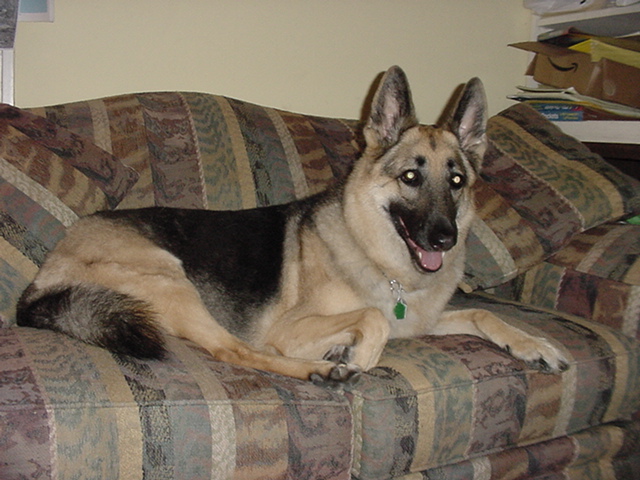
Krie, doggie with the winglet ears, died today January 2nd, 2010
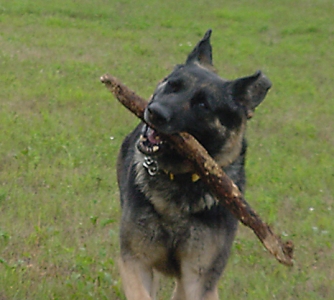
And dear Katze:

And Elka…
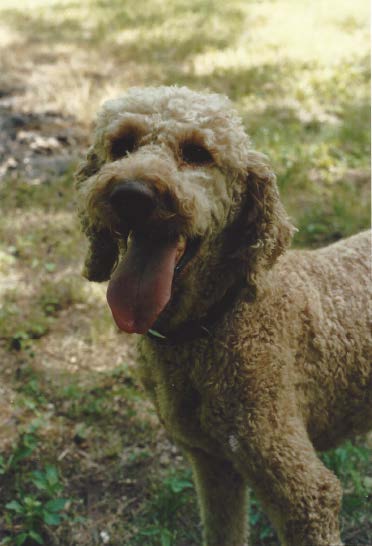
And dear ol’ Maggie Mae:
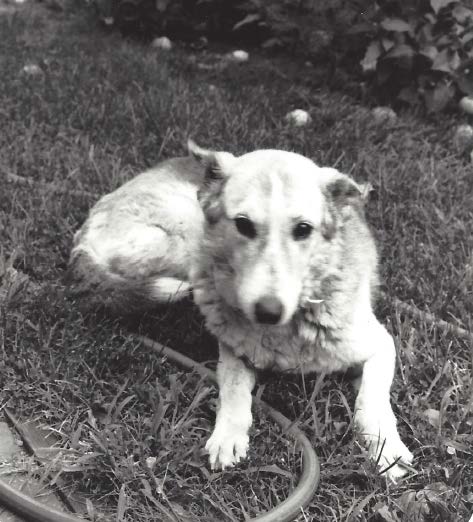
And Bozo!!