Impeachment Report – Just out
December 3rd, 2019

18,000 Refugee Admissions for FY 2020
November 27th, 2019

Just in from Federal Register Public Inspections, due to be published on Friday:
Facts matter. For those who can’t be bothered with clicking and reading, here it is:


18,000
Think about it… just 18,000…
OOPS!
November 23rd, 2019

In the STrib today:
Shakopee pilot crashes into high-voltage power lines, escapes without injury
By Liz Sawyer Star Tribune November 23, 2019 — 8:57pm
“This incident could have been much worse,” Sheriff Luke Hennen said in a statement. “We are grateful the pilot was able to walk away without any injuries.”
+++++++++++++++++++++++++++++++++++++++++++++++++
Per the Sheriff’s report, linked above:
Also from the Sheriff’s press release, another photo — the one at the top is from the Sheriff’s office too:
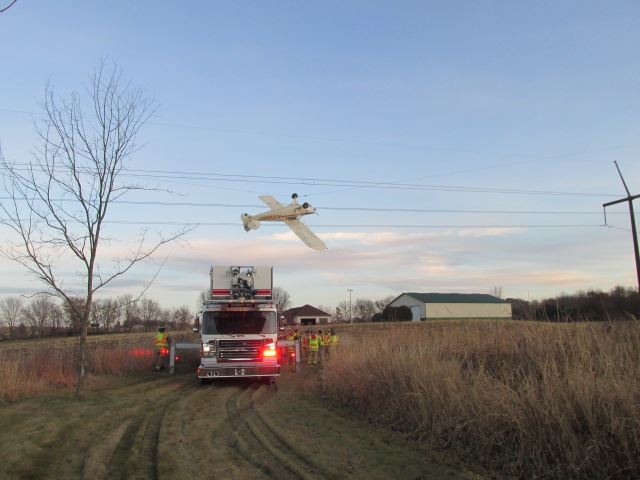
Amazing that the powerline can hold that plane up! Like WOW!
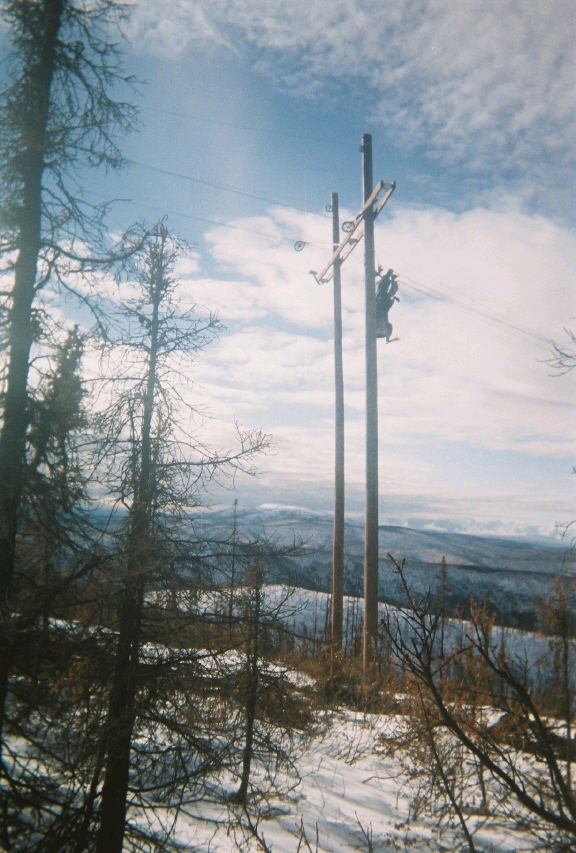
Solar – a sunny winter day!
November 22nd, 2019
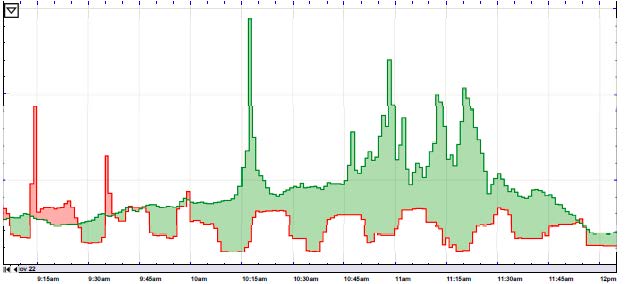
Love it when this happens! Solar working even in this location. Sun will drop behind the bluff soon and behind Mary’s trees, but it still works. In summer, even late spring and early fall, it will be amazing! Well worth it!
2018 NERC Long-Term Reliability Assessment
November 20th, 2019
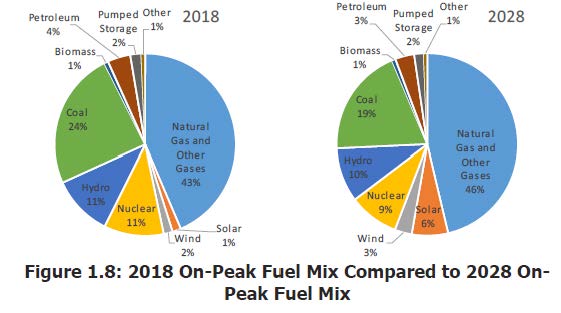
I’m so far behind, but here it is, the NERC 2018 Long-Term Reliability Assessment. The 2019 NERC Report should be out soon, so it’s time to get caught up.
It comes out annually, but not consistently at the same time each year, and it seems that when there are significant changes, it’s delayed. The 1998 Reliability Assessment was the first one I used in a transmission docket, used mostly because it showed the reliability margin projections were adequate, not at all reason for the “we’re going to freeze in the dark in an incubator without a job” hysteria.
While we’re waiting for the 2019 NERC Report, let’s take a look at what the big picture looked like at the end of 2018:
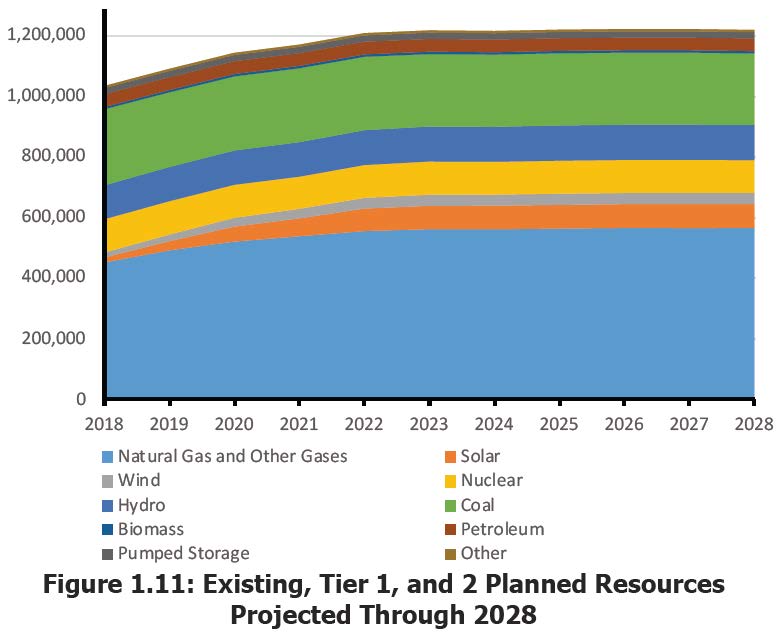
The above is from the NERC Report, p. 22. This increase in solar is good news, and solar follows peak — YES, GOOD (but the way they’re going about it sure sucks, central station installations on prime agricultural land isn’t acceptable). Let’s be clear — the only way to reduce CO2 is through decreased combustion. See the green section for coal? Note how it’s staying the same over the next 10 years? Same goes for natural gas, increasing at about the same rate as solar. And hazardous/toxic emissions? Well, seems there will be an increase. And continued dependence on nuclear, that seems unchanging too.
Remember how CapX 2020 was predicated on 2.49% annual growth? Remember the May 11, 2005 Capx 2020 Technical Update ?
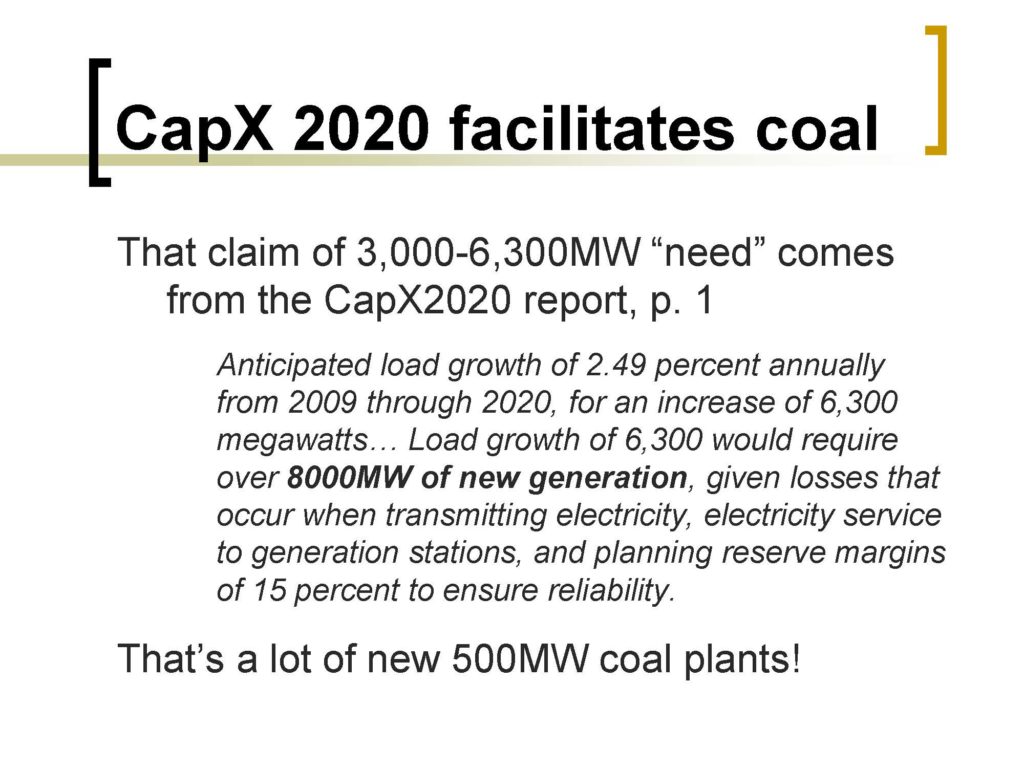
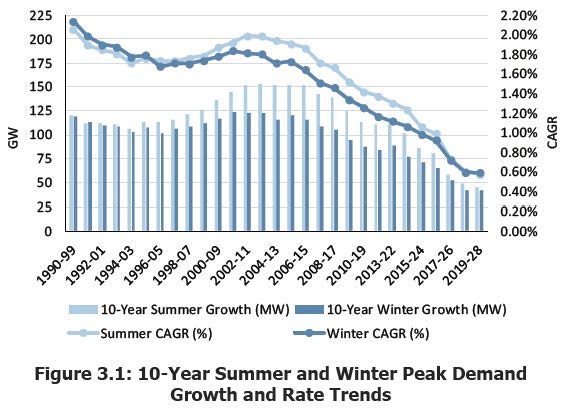
What a farce… here’s the reality of peak demand generally — 2.49% annually? Nope, check the NERC Report, p. 10:
And the Xcel Energy specific Peak Demand? This is from their SEC 10-K filings:
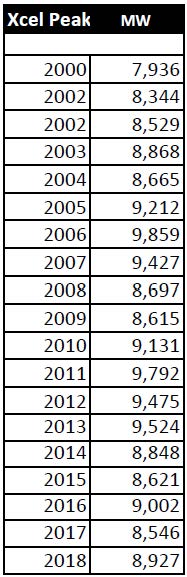
THIRTEEN YEARS LATER, we still haven’t met the 2006 peak. But in the meantime, we’ve built $2+ billion of CapX 2020 transmission lines that we don’t need. MISO is building $6.65+ billion in MVP (Multi-Value Projects) o which Minnesota ratepayers pay a significant percentage. These are transmission projects that we don’t need, projects built to facilitate bulk power transfer across the MISO region, economic based projects that have no benefit to us in Minnesota, no need for us, we’re a pass through state.
No need? For sure. Check these reserve margins (remember when MISO’s reserve margin was 15% and they said that would lower with the big transmission build-out? Now they’re saying 17% isn’t enough?):
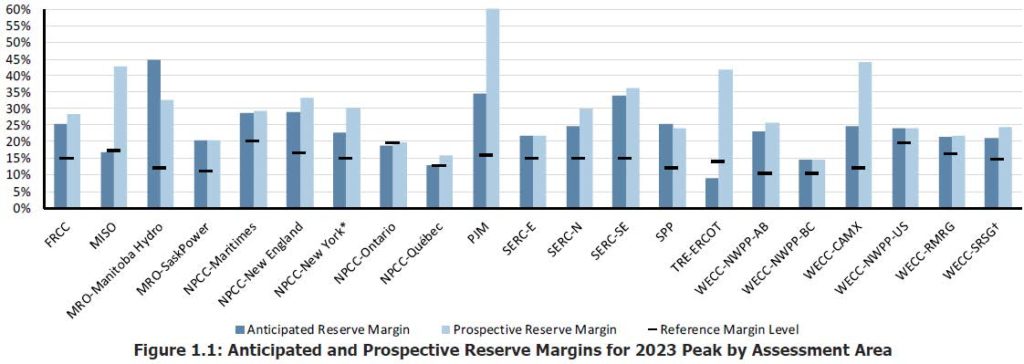
How stupid can we be? Well, we’re finding out, and the bill is coming due.