Google Earth & Susquehanna-Roseland Xmsn
February 21st, 2015
New Jersey gets a bad rap, people here in the Midwest have no clue. People think of New Jersey, and they think of Newark (which has its good points, I really enjoyed officing there during the Susquehanna-Roseland hearing) which is a mess, vacant buildings all over the place, TALL vacant buildings…
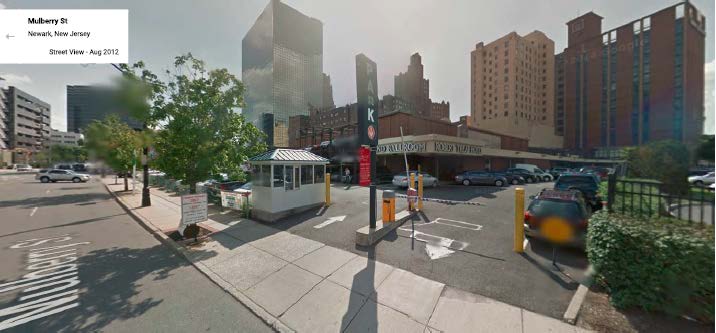
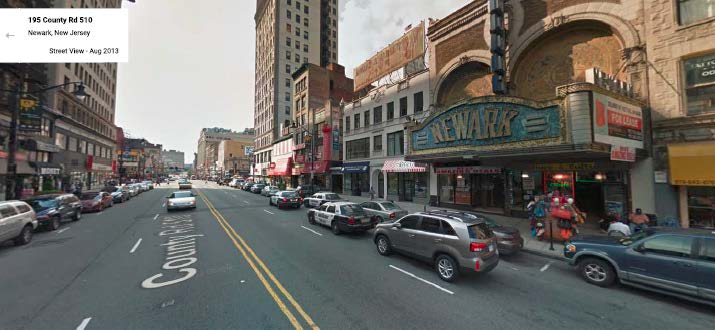 And that’s where the New Jersey Board of Public Utilities is, rolling a cart full of boxes back and forth from the R.Treat (right) to the BPU (big black glass smudged building under “Aug 2012”) in the snow was a joy:
 Anyway, there’s more to New Jersey than that. New Jersey where the Susquehanna-Roseland transmission line crossed is B-E-A-U-T-I-F-U-L. It’s a lot like northern Minnesota, granite and pine trees, stunning. Turns out my mother spent time there in the Army, and afterwards she worked at the Franklin Hospital, I think owned by the Franklin nickle mine.
Google Earth maps are now showing the summer’s construction of the Susquehanna-Roseland transmission project, and… OH… MY… DOG…
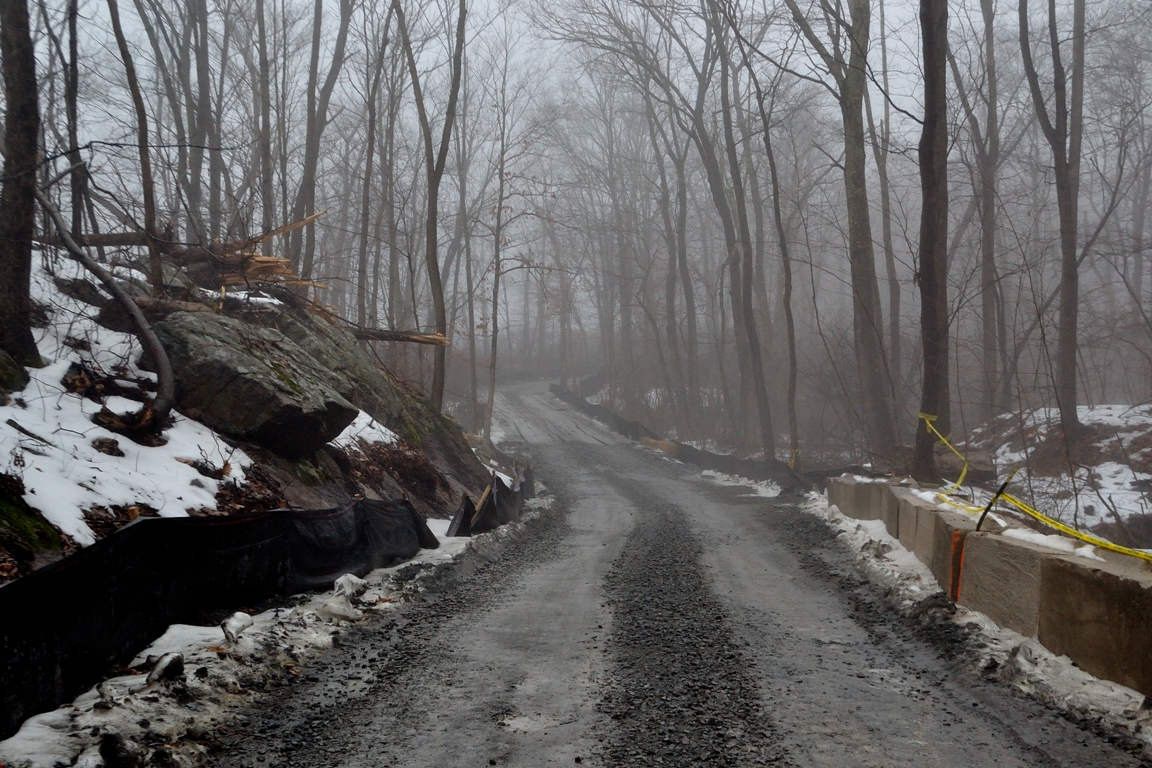
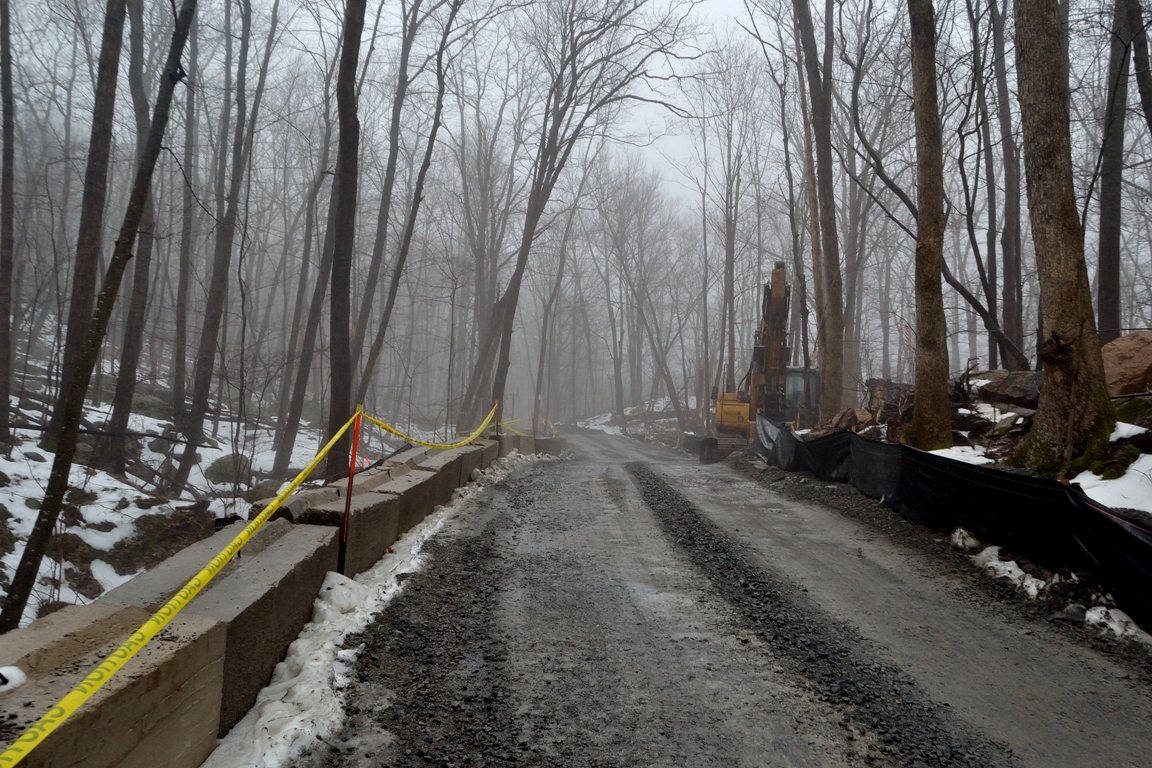
Here are photos from Stop the Lines in 2013 of new access roads through the Mahlon Dickerson Reservation, Lake Hopatcong, NJ to build this monstrosity:
 And just google that park for another perspective:
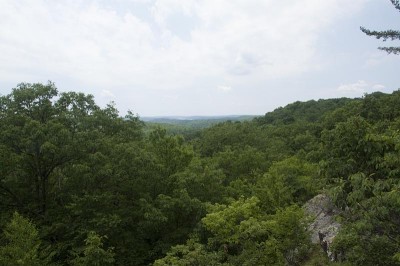
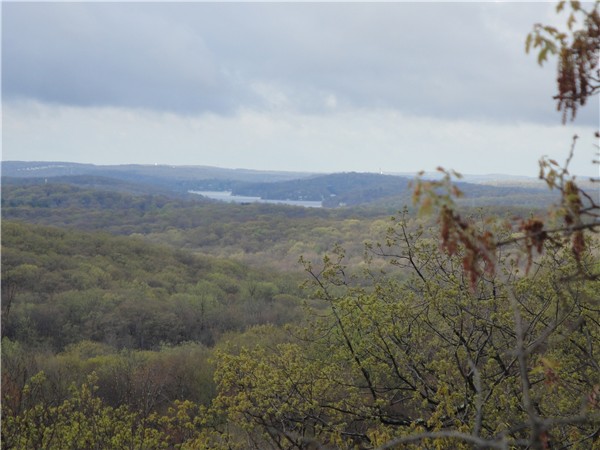
And the view from Headley’s Overlook and Lake Hopatcong:
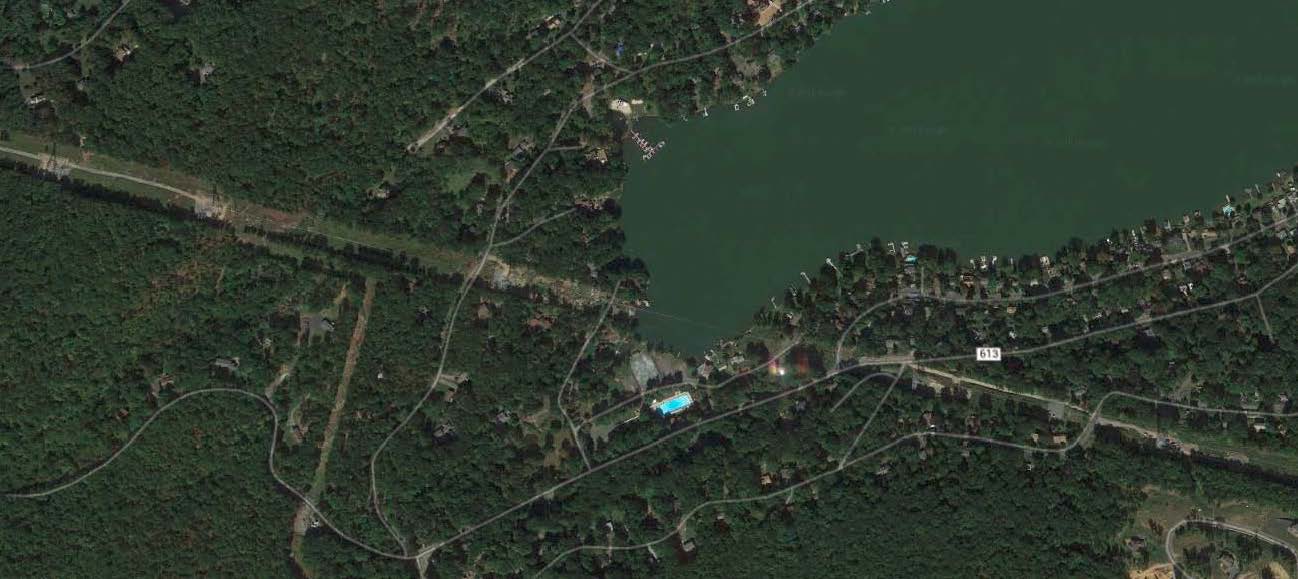
Here’s Lake Mohawk, another example of bizarre transmission routing:
 From Stop the Lines:
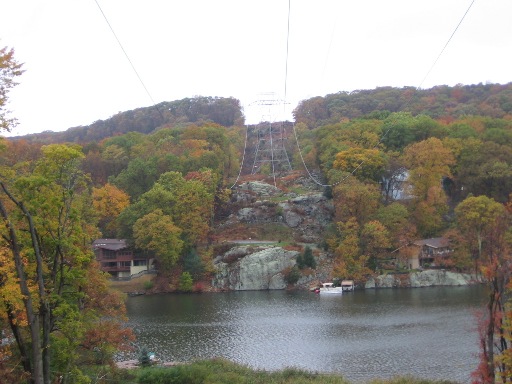 And at the heart of Stop The Lines resistence:
 How’s that for a depressing photo? That’s Highview in Newton, NJ, and that’s a 500 kV AC line, TRIPLE BUNDLED (it originally was QUAD bundled, but that was over-reach beyond belief, and hey dropped it), HUGE capacity line, HUGE. Oh, and that’s the same configuration as the GNTL line. AAAAAAAAAAAAAAAAAAAAAAAGH! Look how close it is, and if ice coated lines and towers meet high wind, what happens if these crumple like others we’ve seen?
Check out these solar panels, house on Marksboro Road. The one just north has a roof full too, not just that garage!
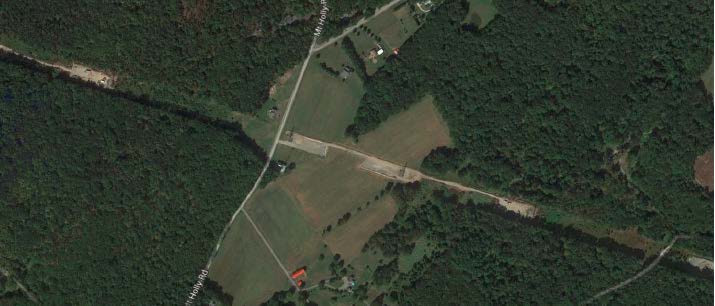
 Here’s where it crosses Mt. Holly Rd. and you can see what the construction does to this field:
Here’s a view of the Picatinny Arsenal, thanks to Stop the Lines, and the tower is 215′ tall, the transmission towers through here will be ~25 feet shorter than this:

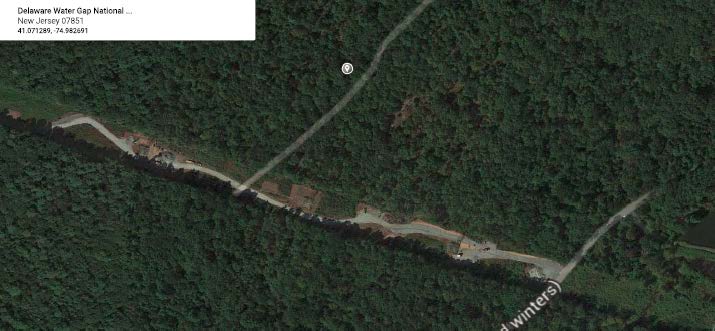
And yes, this is the transmission line that goes over the Delaware Water Gap and the Appalachian Trail! Here’s on the eastern side, NJ side, of the Delaware Water Gap:
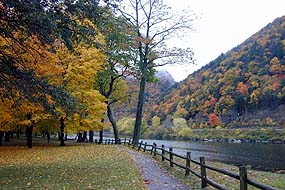
DOH! The Delaware Water Gap is one of the country’s few Wild and Scenic Rivers (like our own St. Croix River):

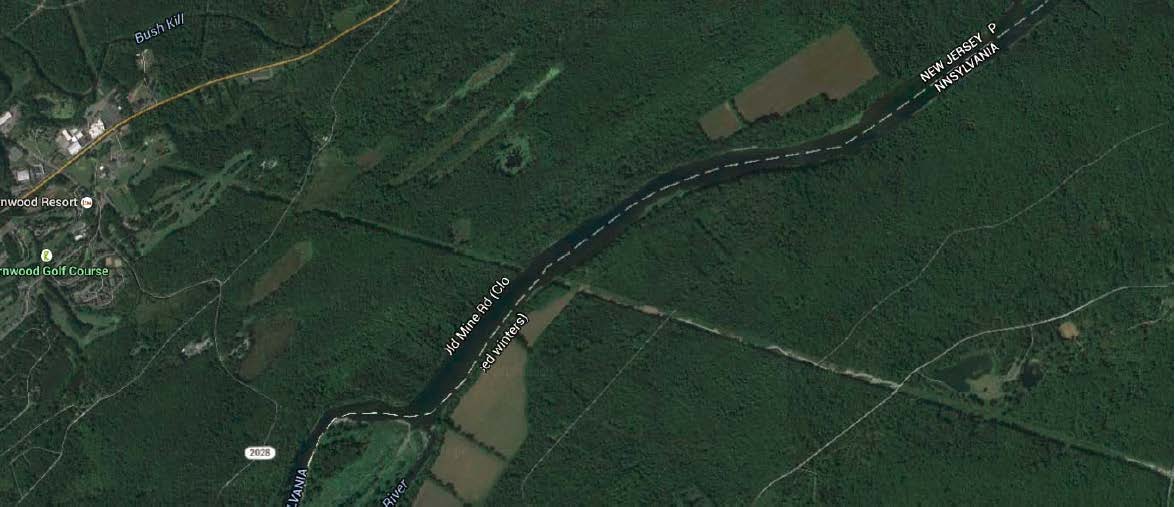
Just the place for transmission! Enough… transmission sucks.
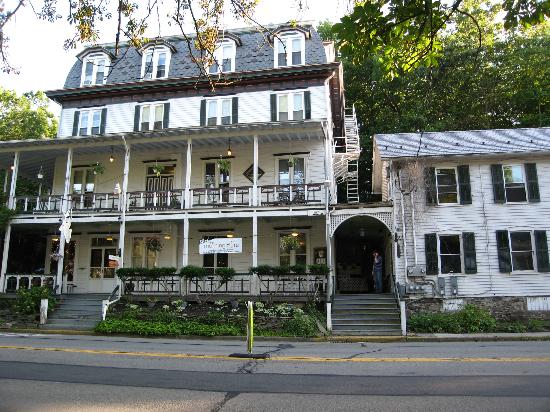
One of the perks of the job and being in the neighborhood was that I got to hear Phil Woods at the Deer Head Inn, he lives right around the corner. That must have been 2009, maybe 2010. His relatives on the Charlie Parker side came in from the east, place was packed, and as Ed Berger would say, “way outside.”
Coal gasification loses even more support
February 21st, 2015
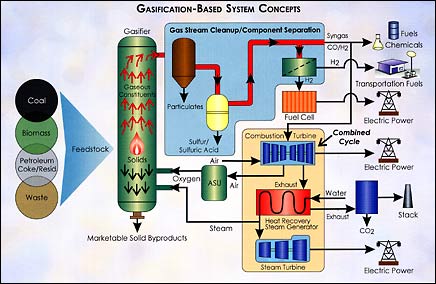
Thanks to Charlotte for finding this. My Google Alerts disappeared and now I’m the last to know!
For the Excelsior’s Mesaba Project, the carbon capture and storage was a farce, the project plan took it to the PLANT GATE, and a small percentage of it at that. A scam:
And McClatchyDC says the POTUS is taking a “step back” from coal gasification. ‘Bout time for this coal state Pres. to admit the obvious reality that this is NOT “the way forward for coal.”
How can they write a headline like that and not put the quotes around “clean coal.”
A “boil water advisory” for oil in water supply?
February 18th, 2015
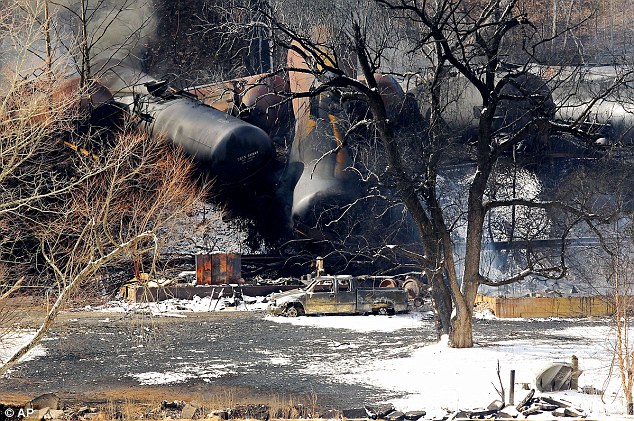
What are they thinking? A boil water advisory?
Water Service Restored, Investigation Continues After Train Derailment
Washington State & Buy the Farm
February 18th, 2015
OH HAPPY DAY!!!!
Washington State is working on “Buy the Farm,” based on Minnesota’s law, which is an option for landowners facing condemnation for a transmission line to force the utility to buy them out, to “Buy the Farm.” A bill was introduced last Monday in the Washington State House:
House Bill 2047
It’s been referred to House Judiciary — here’s the page for status of bills:
Is this exciting or what?!?! Each state where transmission projects are proposed should get going and enact “Buy the Farm.” I’ve had a request to pass this around far and wide, so here goes!
Minnesota’s “Buy the Farm” law is, so far, the only one in the nation that provides and option for landowners to force the utility to buy them out, rather than just condemn a small easement. This allows landowners to get out from under a transmission line. Here’s Minnesota’s Buy the Farm:
Minn. Stat. 216E.12, Subd. 4. Contiguous land.
+++++++++++++++++
Some Buy the Farm background:
(from No CapX 2020)

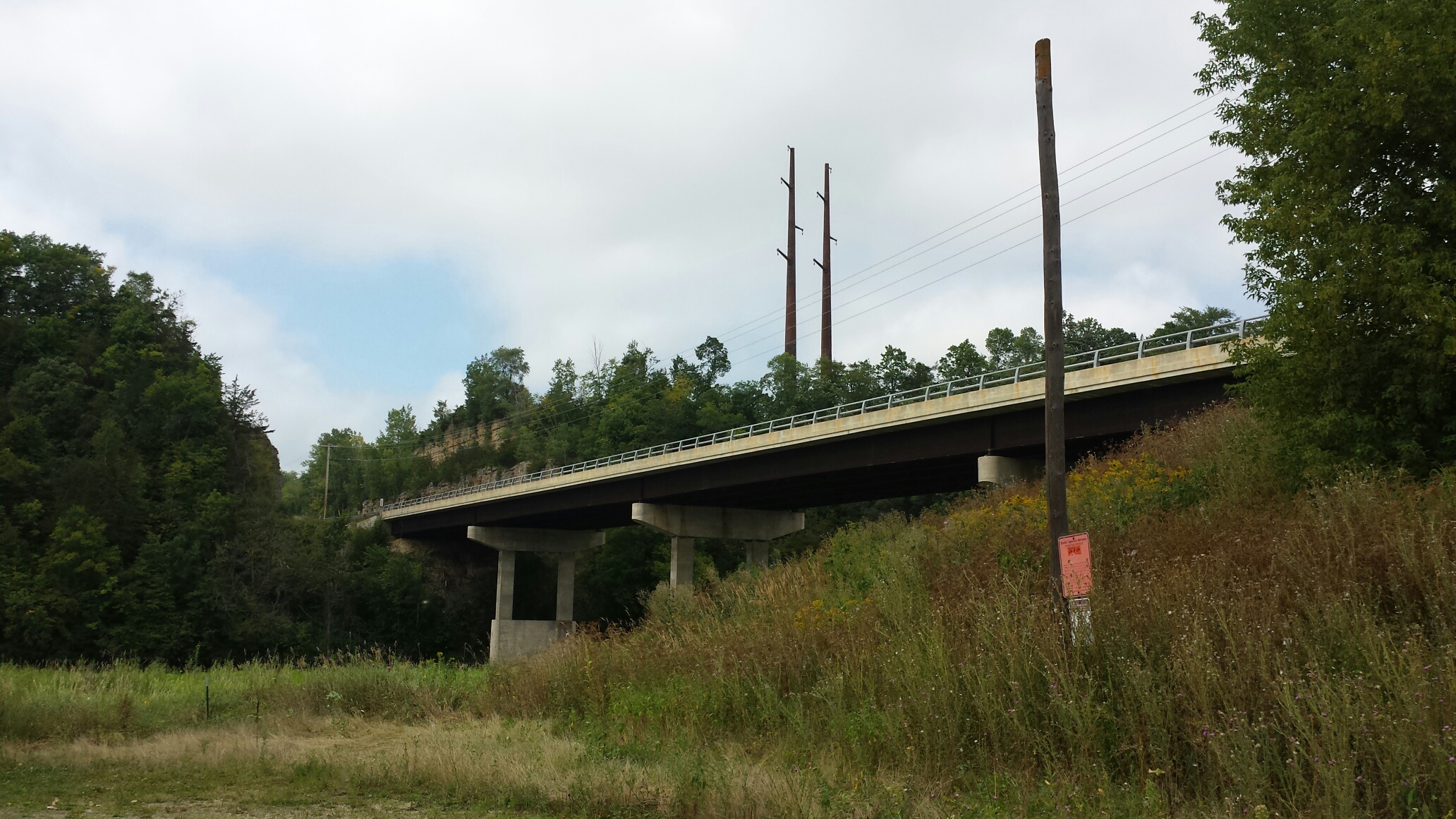
Here are some photos I took yesterday of the CapX 2020 transmission project being constructed at White Bridge Rd. over the Zumbro River — UGLY UGLY UGLY, it’s ugly wherever it goes.
From KAAL-TV, filmed yesterday near Pine Island and Oronoco:
A long-time energy activist recently called “Buy the Farm,” Minn. Stat. 216E.12, Subd. 4, MY statute. And in a way, it is… For at least 15 years now, since the Chisago and Arrowhead Project, its been a constant mantra. I’ve been raising “Buy the Farm” in the administrative dockets, the courts and the legislature. If I had a dollar for every “Buy the Farm” flyer I’ve handed out at transmission line meetings and hearings, every mile driven across Minnesota, every hour greeting attendees, every legislator hounded, I’d never have to work again.
In 1999, World Organization for Landowner Freedom went to the Appellate Court after Minnesota Power filed for an exemption of its Arrowhead Transmission Project at the Environmental Quality Board and the exemption was granted by the EQB. Minnesota Power requested this exemption because the line was so short it was exempted from a Certificate of Need, so what the heck, let’s try to get it exempted from Power Plant Siting Act’s Routing requirements as well… and they did. One “unintended consequence” was that because it was exempted from the Power Plant Siting Act, landowners affected by the project were not able to elect “Buy the Farm” because it is part of the Power Plant Siting Act. But of course, I don’t think that was “unintended” at all.
What did the court say to our argument that the landowners didn’t receive notice that exemption would mean they couldn’t elect Buy the Farm? Well, can you spell “raspberries?”
Due process challenge to notice to landowners
Ja, tell that to the landowners under the 345 kV line… (and btw, sufficiency of notice WAS raised).
In 2001, when the legislature changed the definition of “High Voltage Transmission Line” to a transmission over 100 kV, utilities realized it would mean lines such as the SE Metro line or the Chisago Transmission Project would be affected, so they went to the legislature to get the threshold for Buy the Farm raised to 200 kV. There was strong resistance, we stormed the Capitol, showed up and testified, but they won, lined up their toady legislators and got it through. The result? Landowners under all of these 69 kV “upgrades” to 115 kV and 161 kV are not able to elect the “Buy the Farm” option, despite it now being categorized as “High Voltage Transmission.”
Then the utilities began their transmission build-out, and massive it is. Having to comply with “Buy the Farm” would greatly increase their construction costs, though they are required to sell BTF land acquisitions within a few years. And over a decade later, in the St. Cloud area, with the first of the CapX 2020 projects to wind through the courts for condemnation, Xcel fought kicking and screaming against landowner elections of Buy the Farm and demands for relocation compensation. Jerry Von Korff led the charge for landowners and No CapX 2020 and United Citizens Action Network filed an Amicus brief. Xcel lost:
Buy the Farm — A Win For The Home Team!
That decision, for the landowners fighting for their right to elect Buy the Farm and for an award of relocation expenses, was a big slap upside the head for those utilities trying to limit landowner compensation — Xcel fought it through the Appellate Court and all the way to the Minnesota Supreme Court — losers again:
Minnesota Supreme Court Opinion – Court File A11-1116
Did they learn? Naaaaaaaaaah… and here they go again, with another great win for landowners in the District Court:
Minar Order_Buy the Farm
This decision establishes yet another point on the “Buy the Farm” line showing that landowners do have rights, and can elect the Buy the Farm option.
What’s particularly important in this case is that the judge recognized that it’s NOT about the substantive issues of EMF, that causation is not at issue in an eminent domain condemnation proceeding (anymore than it is in an administrative permitting proceeding, but see Power Line Task Force v. Public Utilities Commission (2001) for the appellate view on EMF and the PUC’s responsibility for safe electricity), that experts are utterly irrelevant and should be disregarded and really, shouldn’t have been admitted — that framing by Xcel is distraction:
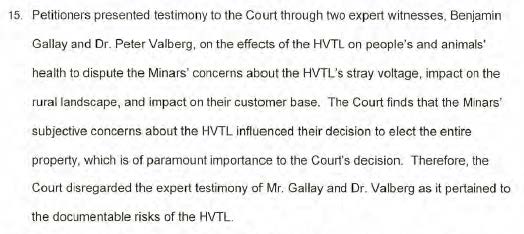
If only the Public Utilities Commission and the Administrative Law Judges working these cases would get that message.
The trend continues… Buy the Farm is the law in the state of Minnesota. Utilities, get used to it. If you want to take land, pony up.
Will Xcel challenge this District Court decision? We shall see, and if they do, we’ll have Amicus “pen” in hand to again join the fracas in support of landowners.

Traffic: Why We Drive The Way We Do
February 17th, 2015
It’s that time again, time for the “Book of the Day!” Today it’s:
Traffic: Why We Drive The Way We Do (and What It Says About Us)
And you can get it at the library or pretty cheap at the abebooks link above!
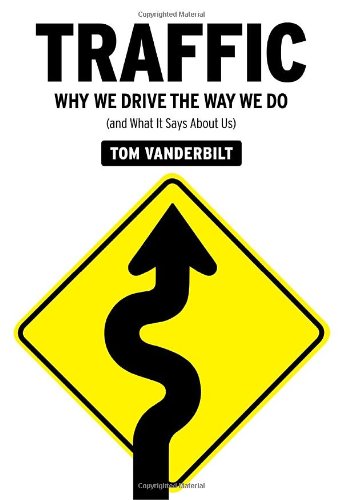
Perfect for those of us who love the road but can’t get out there as often as we’d like. Part policy, part psychology, with lots of SOLs! (that’s SNORT out loud)
There are some great snippets in here. A favorite part is about traffic calming, what works, what doesn’t. There was this problem with people going too fast through a deer crosswalk, and they put up signs, and, well, who pays attention. Sign didn’t slow them, sensors with flashing lights when deer were present didn’t slow them, one thing that did get their attention was that someone dumped a deer carcass by the road, that got them to slow down!
Other ideas to slow traffic down, speed bumps (which tend to speed people up!), put a kids bike by the side of the road, a weird sculpture, “a ‘Street Reclaiming Chair,’ a bright throne of sorts, in the middle of a local street and then, wearing a large colorful crown, chat with passing drivers who, not surprisingly, have slowed.” And of course, topless Danish models holding speed-limit signs.
Factoids like: The US pays about 1/2 of the fuel taxes of drivers in Canada, 1/4 that of the Japanese, and 1/10 of the English. Adjusted for inflation, the fuel tax brings in less revenue than it did in the 1960s. YES, INCREASE THE GAS TAX!!!
Lots on street and highway design. Can’t get enough!