Presentation at Goodhue Co. Historical Society
March 19th, 2026
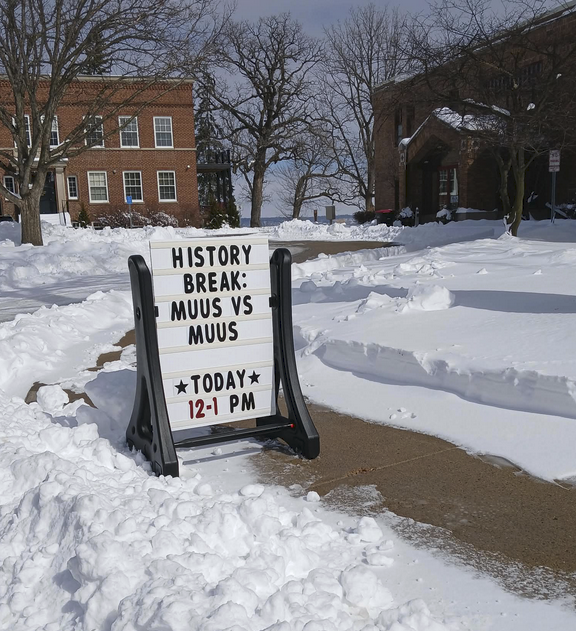
A great presentation yesterday at the Goodhue County Historical Society by Kari Lie Dorer (yes, THAT Dorer, of Richard J. Dorer Memorial Hardwood State Forest, she married into the family!) from St. Olaf, Professor of Norwegian; King Olav V Chair in Scandinavian-American Studies; Department Chair of Norwegian; Director of Nordic Studies. She has a really interesting and varied background, from years at Concordia language camp (which looks really interesting!), and even Sami studies.
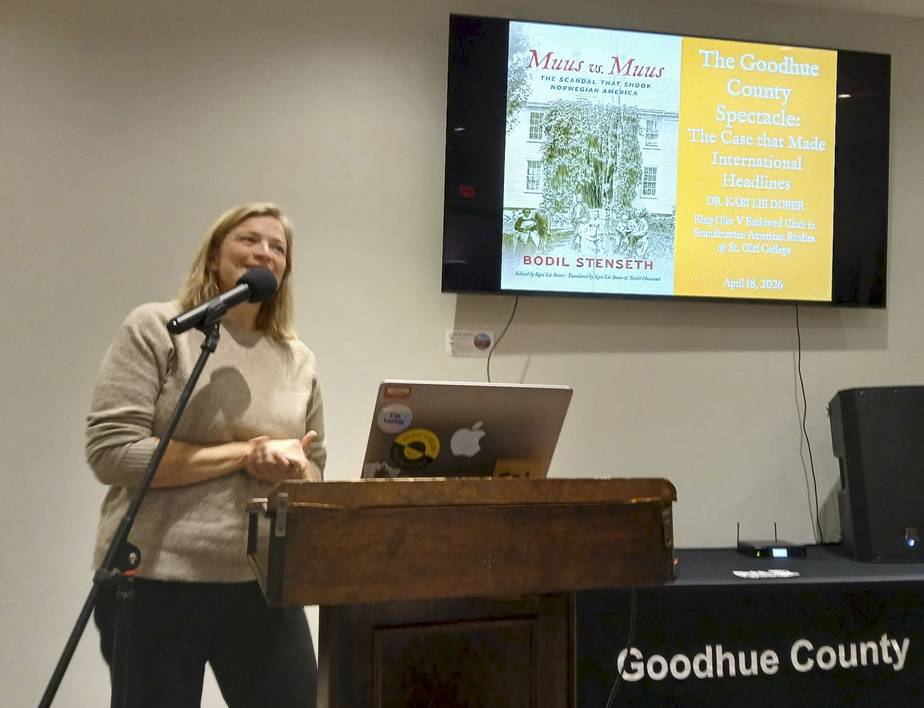
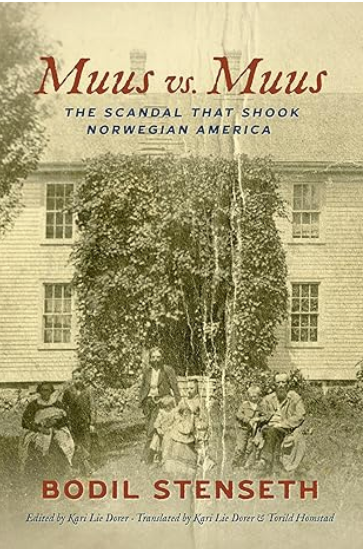
The topic was Muus vs. Muus: The Scandal that Shook Norwegian America (available from Minnesota Historical Society), written by Bodil Stenseth and edited by Kari Lie Dorer and translated by Dorer and Torild Homstad.
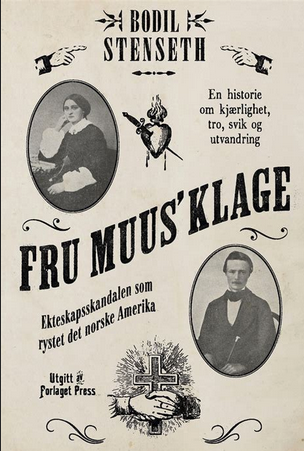
This book was first published in Norway, in Norwegian, by Bodil Stenseth as Fru Muus’ klage : Ekteskapsskandalen som rystet det norske Amerika. Kari Lie Dorer did extensive research here on this side of the Atlantic in the heart of Norwegian Synod land, many first hand accounts in letters, and so many newspaper articles, she’s also spoken with some Muus relatives, and she added a lot of material to the book. It’s published only in Norwegian, and it’s available online:
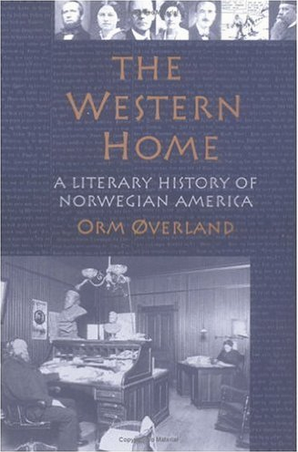
I’d learned of this Muus vs. Muus book when it came out not that long ago, showed up on my feed (!) so I got a copy, and had read about the Muus mess decades ago in Orm Overland’s “The Western Home,” with millions of details of Norwegian immigrants to our region (Overland? I believe he’s no relation, but ??):
Oline Muus seemed a gutsy, patient, persistent, and driven woman who stood up for herself in a time when that just wasn’t done — in the preface, writer Bodil Stenseth characterizes it as “rebellion against her husband” which for me skews my view of her perception. She filed in court to gain access to an inheritance from her father, which BJ Muus had appropriated, after trying to resolve it through the church with zero success (that’s how traditionally things were done then). It took a long, long time, with many church meetings as the court case(s) were ongoing. In church meetings, women were typically not allowed, and for sure not allowed to speak. She prevailed, at significant cost to her reputation, BJ’s too, their standing in the community, both were outcasts in the community. Ultimately, she got a divorce, and custody of their children still at home was granted to BJ, although they went to live with another relative.
I cannot imagine living in that time and going through such abject social dismissal and fighting so hard for basic recognition of her rights, which in Norwegian and U.S. culture were not rights then. The tension between Norwegian synod “law” and U.S. law was a major factor in the rancor, and news of their literal trials and tribulations was covered not just in Norwegian papers in the U.S. but in Norway too.
This was well worth the price of admission — SNORT! Thanks, Goodhue County Historical Society!