Chickadees, ready for their new home!
August 6th, 2016
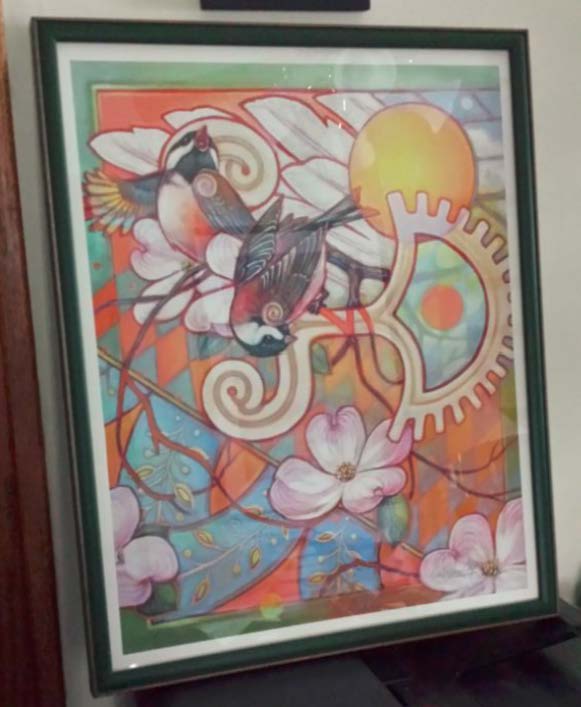 Bird Clan
Chickadees, in Bird Clan, a print of oil by Daniel Milton HorseChief, are now framed and ready for its new home in my office, next to my inspirational Jerry Garcia “You can pursue that goal and feed the dog at the same time, it just takes a little extra effort” photo. I haven’t had a splurge like this in a while, and it feels good!
HorseChief is both a painter and sculptor, living on the Oklahoma end of the Plains & Eastern Clean Line transmission project.

Prints are available of his work, and he can be reached via facebook.
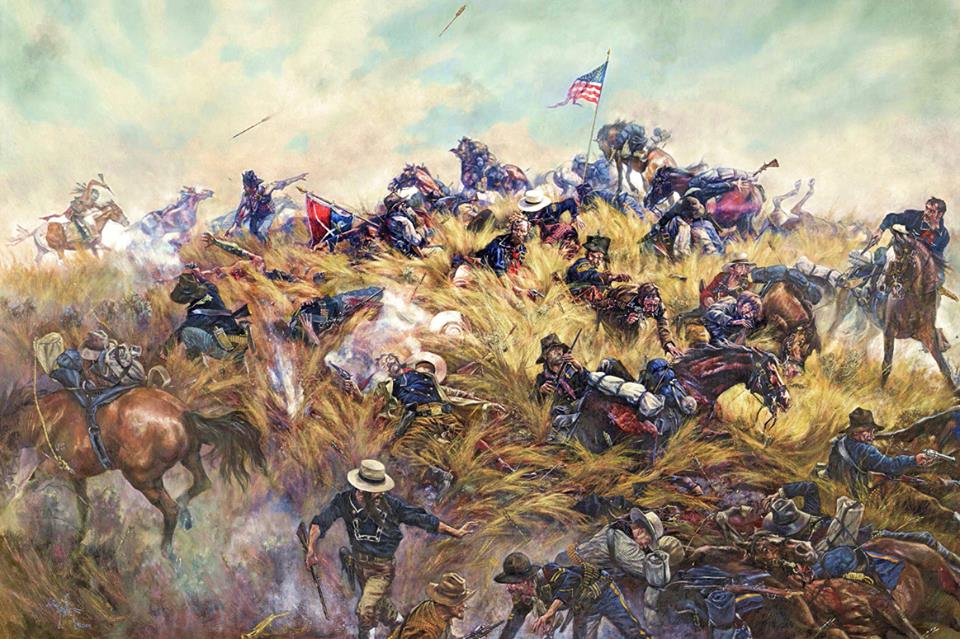 Custer’s Knoll, The Battle of the Little Bighorn 1976
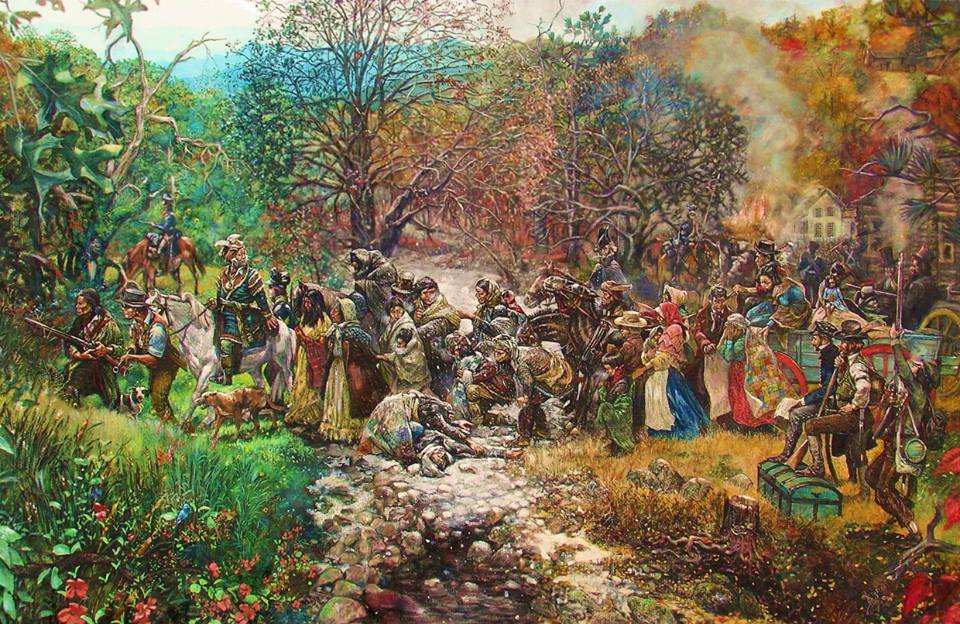 Going Snake’s Trail
 LonghairClan Mother
Xcel Rate Case Hearings on Tuesday & Wednesday
July 17th, 2016
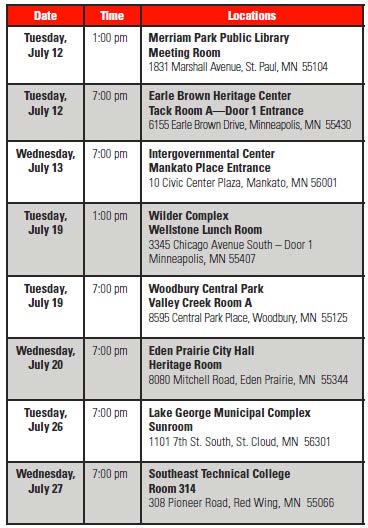
There are a few more hearings for Xcel Energy’s rate case coming up:
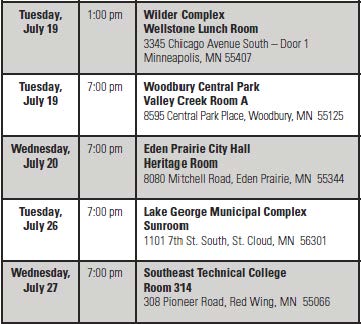
Who cares about this rate case? Center for American Experiment does, but it’s a pretty myopic view, claiming that “Renewable Mandate Drives New Increase in Utility Bills.” Wish they’d read the testimony. Anyway, you all should care because this is a transmission driven rate case (see 2A2_MYRP_Chuck Burdick Testimony p. 28-30; 2C2_Xmsn_Benson) Greasing the skids was a consensus agreement reached by Xcel Energy on many issues, including Xcel’s proposal for a “Multi-Year Rate” plan prior to legislation being introduced to give Xcel what it wanted:
Exhibit 1B – e21_Initiative_Phase_I_Report_2014 – Xcel Filing PUC Docket 14-1055
Note this snippet, where they’re whining that their grid is only 55% utilized:
(N) Identify and develop opportunities to reduce customer costs by improving overall grid efficiency. In Minnesota, the total electric system utilization is approximately 55 percent (average demand divided by peak demand), thus providing an opportunity to reduce system costs by better utilizing existing system assets (e.g., generation, wires, etc.). (e21_Initiative_Phase_I_Report, p. 11).
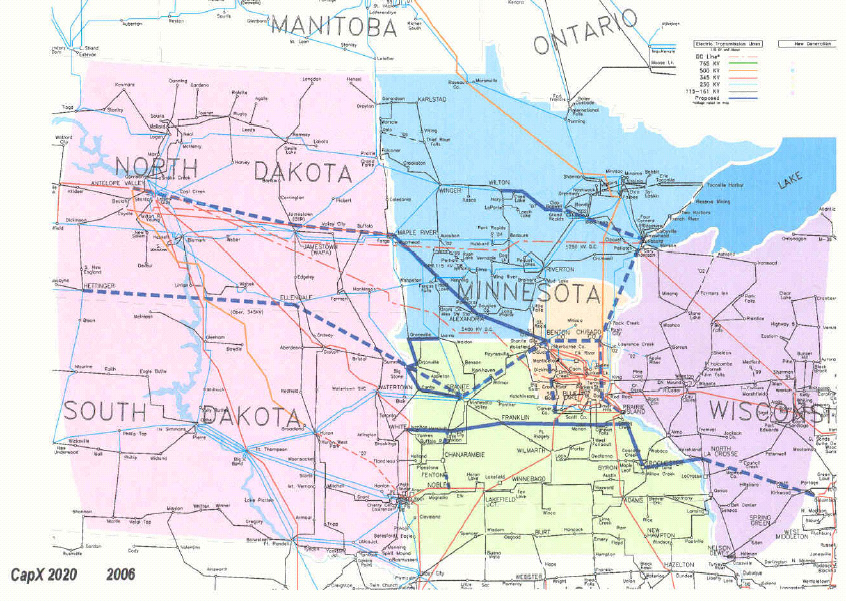
Well, DOH, we know that CapX 2020 wasn’t needed, we know the purpose was evident in the map starting at the Dakota coal fields, and putting it on our land wasn’t enough (for those who think it’s “for wind” no, it’s not, what a crock, you should have heard the testimony, seen the exhibits, the record demonstrates it isn’t, www.nocapx2020.info), now they want a whole new scheme for us to pay for their infrastructure to sell coal eastward?
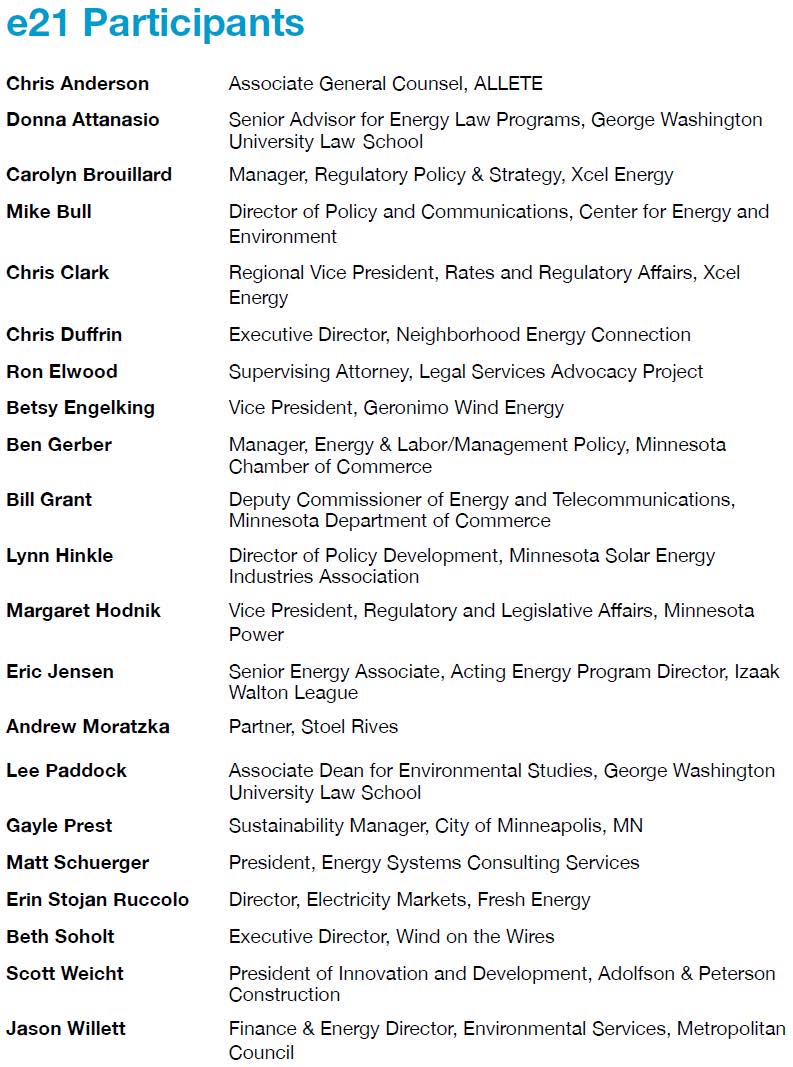
 For some reason, this docket disappeared… wonder who all on this consensus e21_Initiative_Phase_I_Report made that happen!?!
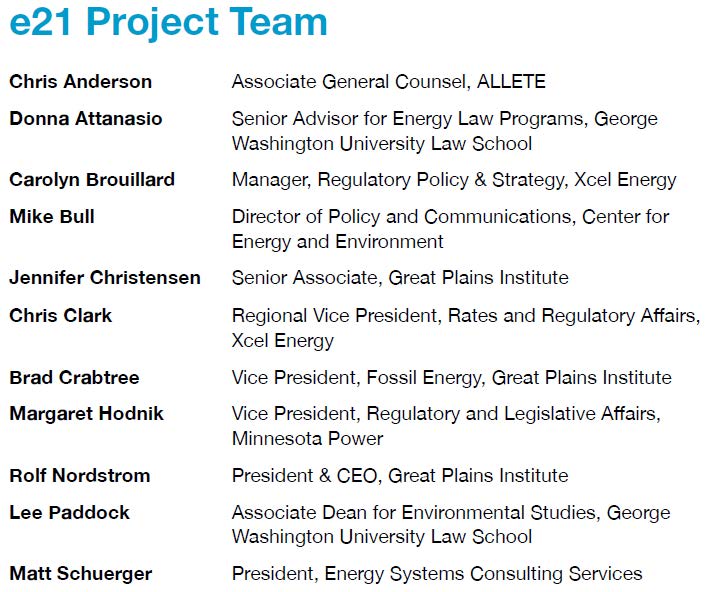
 Or maybe the e21 Project Team?
 Does anyone else care that Matt Schuerger, most recent Dayton appointee to the Public Utilities Commission, was instrumental in working the e21 scam? Shouldn’t he have to recuse himself from any consideration of Xcel Energy’s e21 Initiative rate case?
And look at Bill Grant’s role in e21. He’s now Deputy Commissioner at Commerce in charge of energy issues, and was for 20+ years head of Midwest Izaak Walton League (working over then employee Beth Solholt and IWLA employee, now PUC Commissioner, Nancy Lange). Given Nancy Lange’s role in e21, she should also recuse herself.
And then there’s Mikey Bull’s role, as he recounts, and look who all is involved:
The e21 Initiative started as little more than a glimmer in my eye a couple of years ago, when I was a Manager of Policy and Strategy for Xcel Energy. I’d just come back from a meeting at the Edison Electric Institute about the impact of various dynamics – low load growth, increasing infrastructure investments, deeper penetrations of distributed resources – on the current utility business model. In general, rates were going to rise under the current model far faster as a result of those forces, and utility revenues become more uncertain.
Those dynamics were later chronicled in the Disruptive Challenges report issued by the Edison Electric Institute in January 2013. I realized that it was important for Xcel to try and get out ahead of the curve.
So I reached out from Xcel to Rolf Nordstrom at the Great Plains Institute and Nancy Lange then at CEE (now a Minnesota PUC commissioner), to start putting the e21 project together. Rolf and I worked to put a strong core project team together – CEE, Great Plains, Xcel Energy, Minnesota Power, George Washington University Law School and consultant Matt Schuerger. We then compiled a terrific group of stakeholders who together represent much of what constitutes the public interest – low income customer advocates, small and large business representatives, utilities, environmental organization, cities and other public entities, and regulators. Beginning last February, this group of 25-30 stakeholders met monthly for day-long sessions that were wonderfully facilitated by Rolf and Jennifer Christenson, his colleague at GPI, toiling together deep in the weeds of utility regulation.
It was an honor to work with all of them, as we coalesced around the set of consensus recommendations detailed in the report.
Here’s the full recap:

The legislation, SF1735, well, check the links below, and you can see how that went down. I was there, seeing is believing. First it was introduced, but despite the full room of SILENT “usual suspects” who had acquiesced to e21, and only a couple of us objecting to the bill, Sen. John Marty pulled it from consideration, initially on the Senate Energy and Environment Committee same days as legislative extension of the Getty and Black Oak wind contracts (the project couldn’t do it before the PUC so they go to the legislature), stuck in a placeholder “e21 Lite” and then put it in later as part of the Energy Ominous Bill, SF 1431:
- the problems with SF 1735… March 18th, 2015
- Bill to extend Getty/Black Oak wind contracts? (e21 discussed at this Committee meeting) March 24th, 2015
- SF 1735 – SHAME on each Senator who voted for it (in the Energy Ominous Bill) May 5th, 2015
These issues were raised, e21 marches onward, and here we are, in a rate case.
Public participation? Tough in Xcel rate case
July 14th, 2016
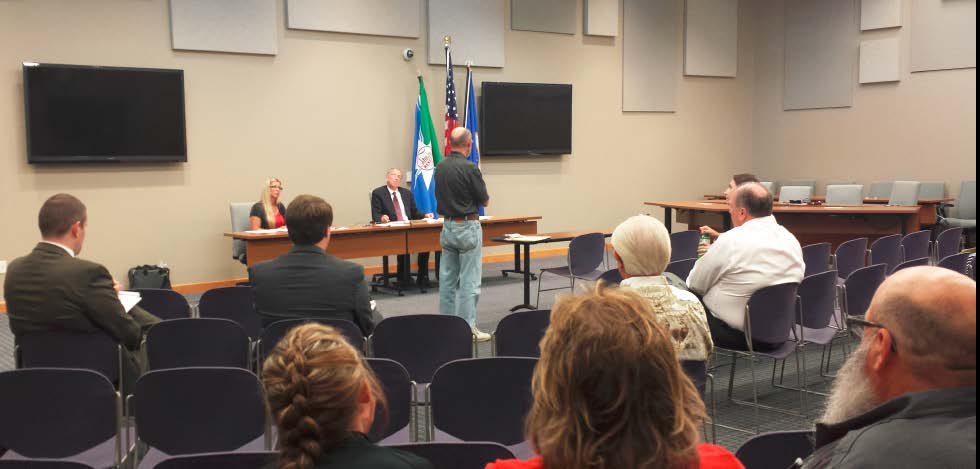
Last night there was a hearing in Mankato on the Xcel Energy rate case (Docket E002/GR-15-826). Public participation in Public Utilities Commission dockets is supposed to be a happenin’ thang… But there were no witnesses to question yesterday at the public hearing, and the Xcel representative who was there could not answer questions. Worse, there was no commitment to have witnesses available to the public at the public hearings, and only advice that the public could attend the evidentiary hearing. ATTEND?!? When might we be able to question witnesses?
Sent this Data Practices Act Request this morning to round up the Information Requests and Responses regarding transmission, transmission riders, MISO and FERC:
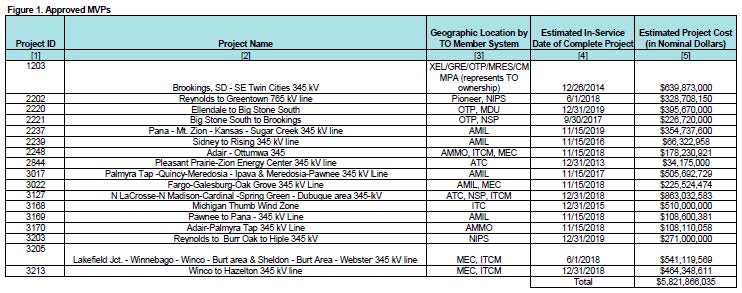
Xcel Energy wants to shift its transmission rate recovery from CWIP and AFUDC to general rates, but there was no one there to talk about it. These are the MVP projects at issue, in Schedule 26A, below, which are worked into MISO tariff and FERC blessed:
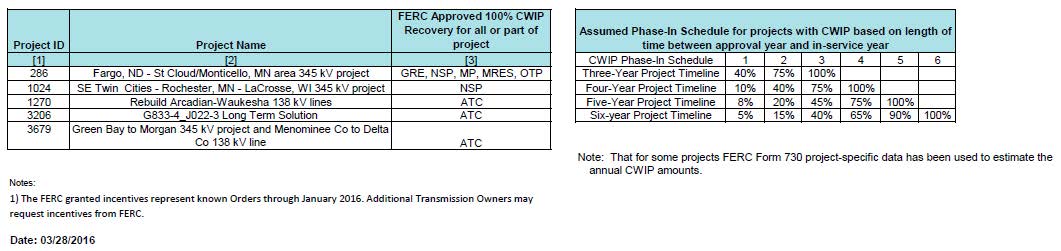
 And here’s the projects in Schedule 26, below, but hmmmm, no project costs shown (click for larger view):
 I entered these exhibits:
Exhibit 1A – XcelCover_e21_Request for Planning Meeting and Dialogue – PUC Docket 14-1055
Exhibit 1B – e21_Initiative_Phase_I_Report_2014 – Xcel Filing PUC Docket 14-1055
Exhibit 2_MISO Schedule 26A Indicative Annual Charges_02262014
Exhibit 3 – FERC EL-14-12-002_ALJ Order – ROE on MISO Transmission
Next meeting I’ll have some more:
e21_MikeBull_Center for Energy and Environment
MISO Schedule 26 Indicative Annual Charges
1Q_Earnings Release Presentation_5-9-2016_1500085150
Investor Presentation – NYC-Boston_3-1-2=16_1001207698
Back to last night’s hearing…
Check the rules about public participation:
1400.6200 INTERVENTION IN PROCEEDINGS AS PARTY.
Another, the PUC practice rules:
And yet another:
And this one (though they’ll say it isn’t applicable because a rate case isn’t part o the Power Plant Siting Act):
1405.0800 PUBLIC PARTICIPATION.
At all hearings conducted pursuant to parts1405.0200 to 1405.2800, all persons will be allowed and encouraged to participate without the necessity of intervening as parties. Such participation shall include, but not be limited to:
Comments filed on Dairyland Q-1
July 1st, 2016
Time for a nap. Just filed Comments on the USDA RUS’s Environmental Assessment for Dairyland’s Q-1 D South transmission line. Here’s the EA:
And here are the Comments I filed on behalf of No CapX 2020:
zzzzzzzzzzzzzzzzzzzzzzzzzzzzzzzzzzz
Oh, and the interesting thing is that just this morning, I got a copy of the “Briggs Road-La Crosse Tap 161 kV Rebuild Study” Thank you, Chuck Thompson!
Dairyland’s Q-1D South Environmental Assessment
June 19th, 2016
Dairyland Power Cooperative’s transmission through Onalaska and La Crosse is something to see…
Dairyland Power Cooperative and USDA’s Rural Utilities Service has released the “Q-1D South” Environmental Assessment, open for Comment until July 1, 2016:
And from Dairyland’s site:
Briggs Road to La Crosse Tap (Q-1D South) – Environmental Assessment
Comments are due July 1, 2016 — send to:
USDA’s Dennis Rankin: dennis.rankin@wdc.usda.gov
(I’d also cc DPC’s Chuck Thompson: cat@dairynet.com)
By U.S. Mail:
Dennis Rankin
Environmental Protection Specialist
USDA Rural Utilities Service
1400 Independence Avenue S.W.
Mailstop 1571, Room 2242
Washington, DC 20250-1571
What’s to comment on? I see two issues that should be sufficient to stop this project in its tracks — the debt load of Dairyland Power Cooperative and the physical setting of the project which too near and right over people’s homes.
Debt load — Dairyland Power Cooperative’s debt is excessive and should prohibit taking on more debt:
Dairyland Power Cooperative’s Annual Meeting was last week. One purpose of an organization’s Annual Meeting is to discuss its financial status and approve plans going forward.
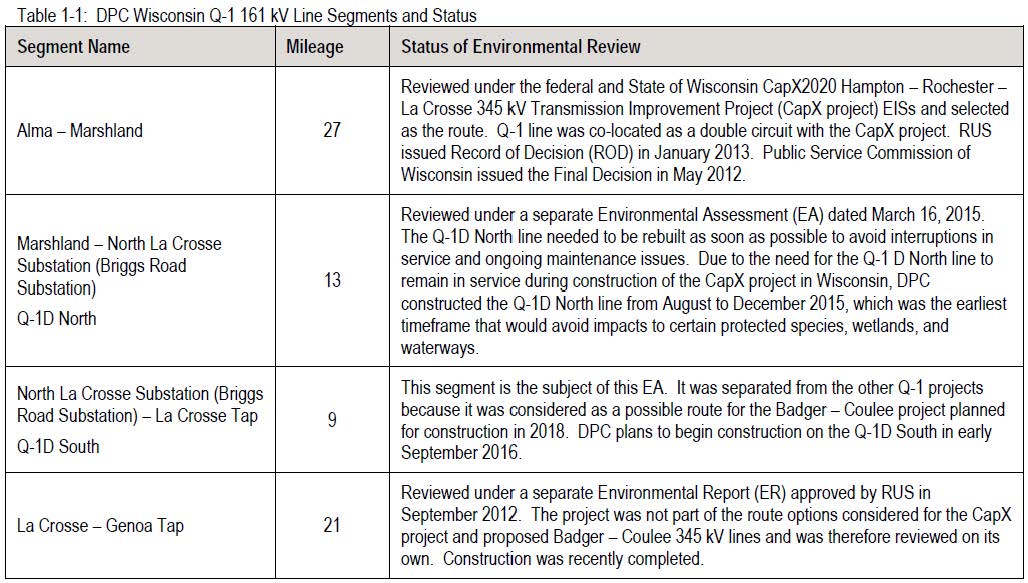
Dairyland depends on federal USDA/RUS loans to pay for its transmission expansion, such as the Q-1 transmission upgrades, including Marshland-Briggs Road and now the stretch from Briggs Road to North La Crosse south of I-90. Another USDA/RUS loan paid for Dairyland’s share of the CapX La Crosse line now blighting the bluffs. Dairyland will also be part owner of the MISO Hickory Creek to Cardinal line from Iowa to Madison. That’s a lot of transmission and loans.
Dairyland recognized this financial risk and lopsided debt/equity position, and in 2012 sought help from FERC_(DPC_Request4DeclaratoryOrder), requesting a hypothetical capital structure of 35 percent equity and 65 percent debt when its actual capital structure was 16.5 percent equity and 83.5 percent debt, and FERC did grant this relief in an Order for DPC for CapX 2020 (see FERC Docket, go HERE and plug in docket EL13-19-000). That Order, and the 83.5/16.5% debt/equity ratio was prior to the present Q-1 D South project and the MISO MVP Hickory Creek to Cardinal transmission line. Dairyland requested a “hypothetical” (bogus) debt/equity ratio to preserve its credit rating and enable low cost loans. The true debt level makes DPC a higher risk.
Are Dairyland members aware of the 83.5%/16.5 % debt/equity ratio and reliance on loans for major transmission projects? What’s the debt level where new projects are included? This new transmission enables increased power marketing and sales, a private purpose. Is this highly leveraged position for new transmission in the best interests of Cooperative members?
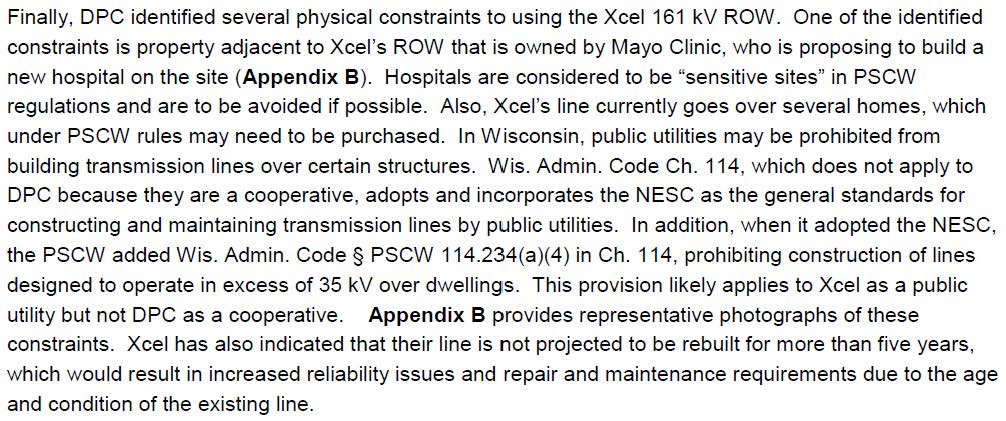
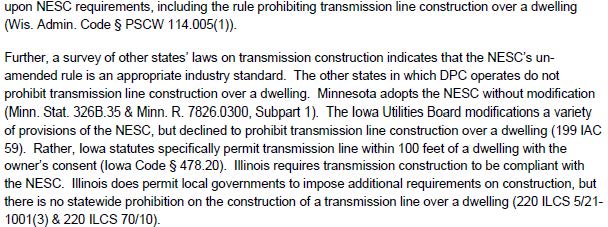
Physical setting of the project — it’s just too close!
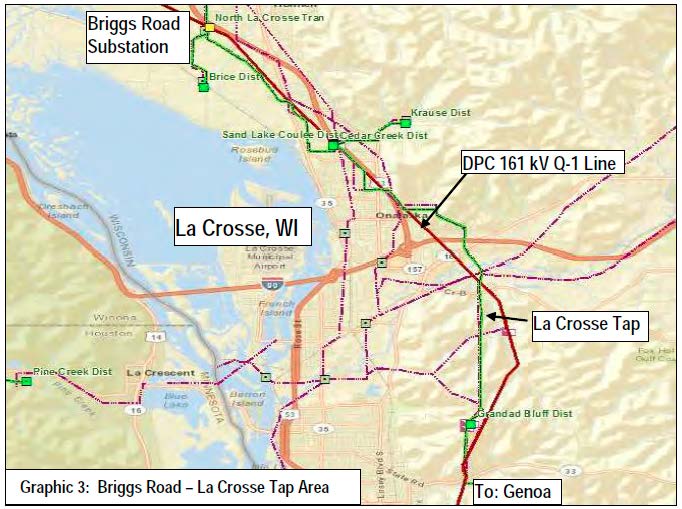
The map way above is what the transmission system in the area looks like theoretically, according to the Wisconsin Public Service Commission, but here’s what Dairyland’s Q-1 South line looks like on the ground:
![Ulman_St[1]](https://legalectric.org/f/2016/06/Ulman_St1.jpg)
Really… Here’s what it looks like from a satellite with the lines drawn in, on the far south:
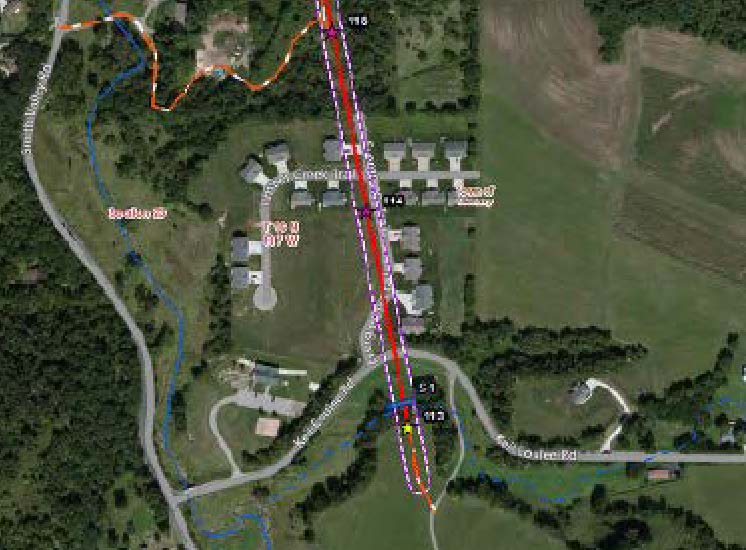
Here’s what it looks like further north — look at all those homes:

And here’s what the Wisconsin PSC Code says about clearances in PSCW 114.234:
(2) Transmission lines over dwelling units. [Follows NESC 234C1b, p. 119] (Addition) Add the following paragraph c:c. Transmission lines over dwelling units.No utility may construct conductors of supply lines designed to operate at voltages in excess of 35 kV over any portion of a dwelling unit. This provision also applies to line conductors in their wind-displaced position as defined in Rule 234A2.Note: It is the intent under s. SPS 316.225(6) that the public not construct any portion of a dwelling unit under such lines.Note: The term “dwelling unit” has the meaning given in ch. SPS 316, which adopts by reference the definitions in NEC-2008.Note: See s. SPS 316.225(6) Clearance Over Buildings and Other Structures, which refers to ch. PSC 114 regarding clearance of conductors over 600 volts and the prohibition of dwellings under or near overhead lines.
USDA’s Dennis Rankin: dennis.rankin@wdc.usda.gov
(I’d also cc DPC’s Chuck Thompson: cat@dairynet.com)
By U.S. Mail:
Dennis Rankin
Environmental Protection Specialist
USDA Rural Utilities Service
1400 Independence Avenue S.W.
Mailstop 1571, Room 2242
Washington, DC 20250-1571