Delaware cancer rates — note 19731
July 4th, 2023
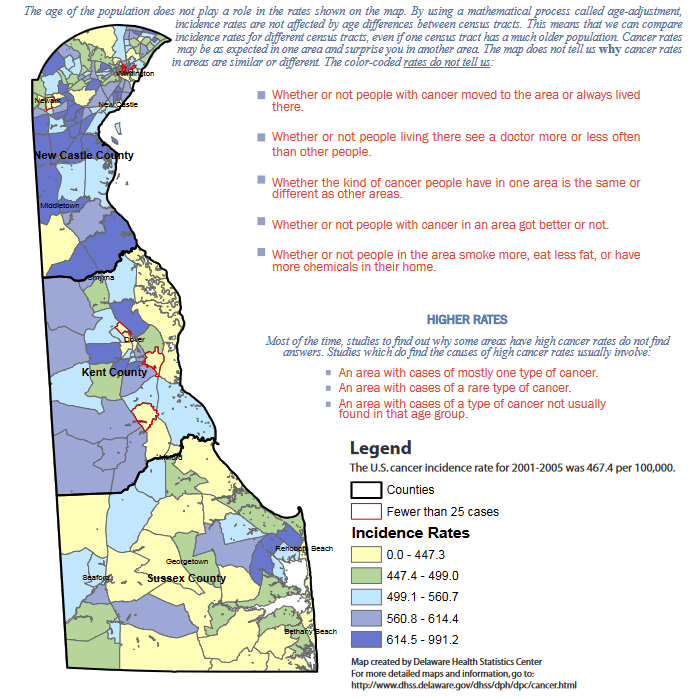
Yes, every picture tells a story, worth a thousand words… Alan Muller, Green Delaware, spent decades fighting the polluters of Delaware, concentrated in New Castle County, and the Indian River coal plant way south (and surrounded by cancer), and many other polluters in Delaware and beyond.
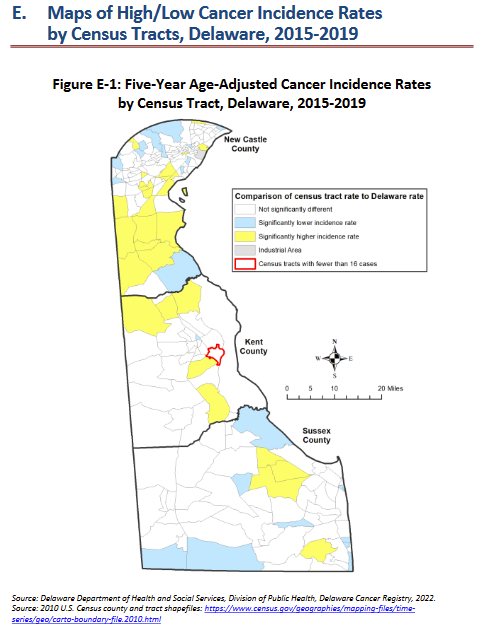
A few maps of Delaware cancer rates… from this article about articles in the Snooze Urinal (as Alan calls the News Journal):
Cancer Clusters in Delaware? How One Newspaper Turned Official Statistics into News
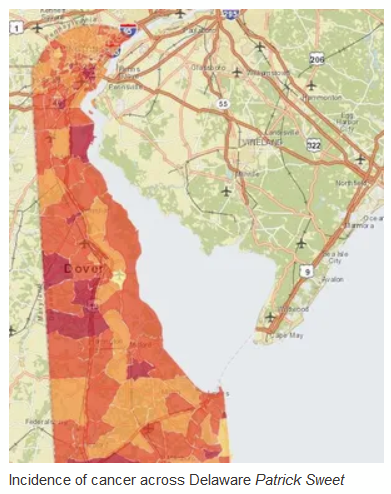
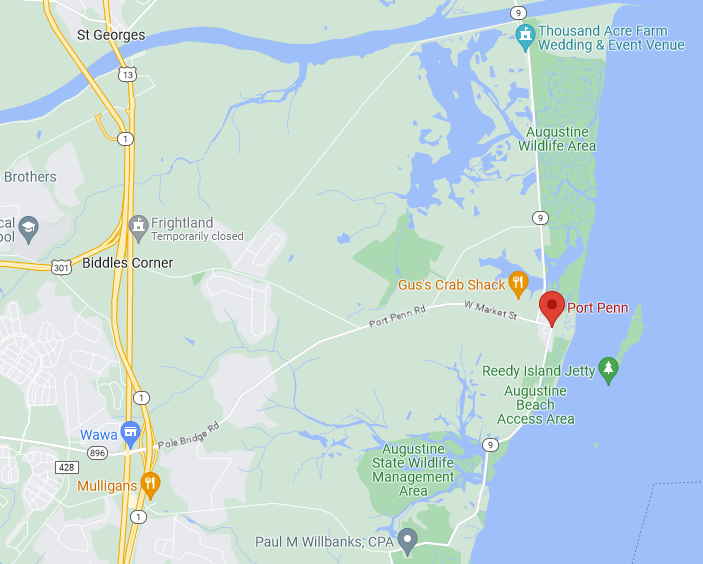
Alan’s Port Penn, DE is in this area on the bay, just south of the C&D Canal, dark red in the map above, dark blue in the maps below:
Cancer Cluster Investigations in Delaware
And from the state’s Division of Public Health:
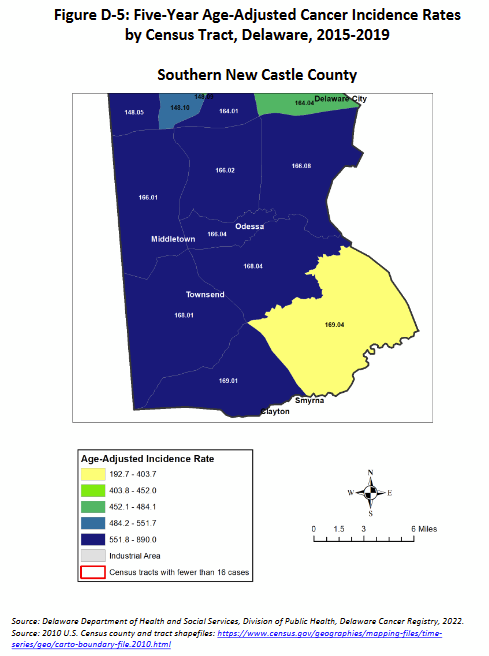
CENSUS TRACT-LEVEL CANCER INCIDENCE IN DELAWARE, 2015-2019
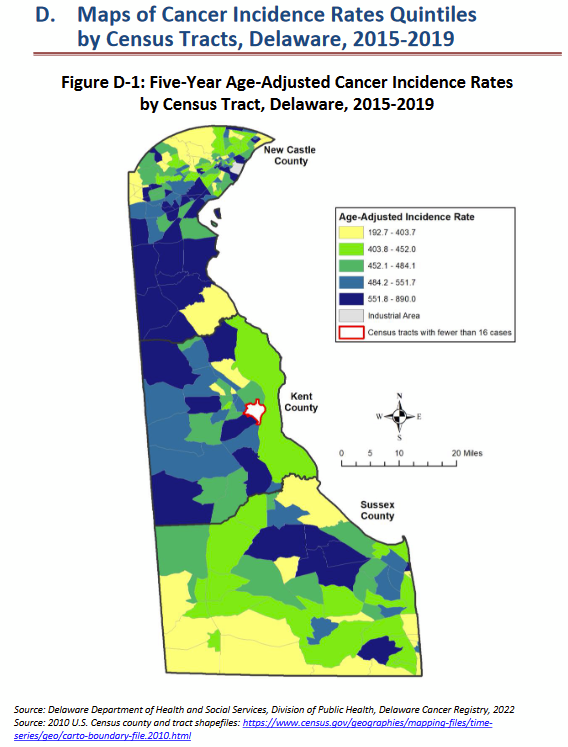
Port Penn, DE is in the dark blue census tract on eastern edge, south of Delaware City, that bumps out into the Delaware Bay (166 incidence rate on map):


PPSA Annual Hearing in EQB Monitor
November 3rd, 2022
BE THERE OR BE SQUARE!
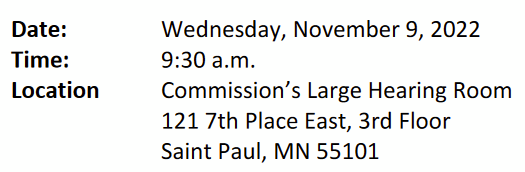
9:30 a.m. Wednesday November 9, 2022
3rd Floor Large Meeting Room
Public Utilities Commission
121 – 7th Place East, St. Paul
Annual PPSA Hearing – November 9!
October 22nd, 2022

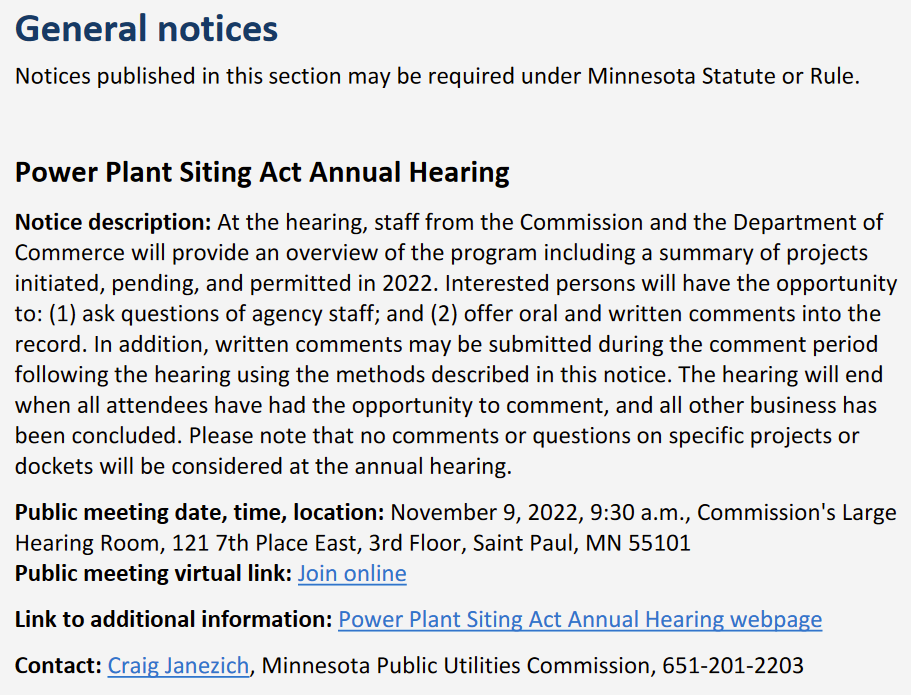
Just got notice of the Minnesota Public Utilities Commission‘s Power Plant Siting Act annual hearing:
This happens every year, and it’s important to spread the word around. One change that is very good is that the Commission is doing a good job of serving notice of the hearing — there are ~ 128 pages of recipients of this notice! GOOD! Love the interwebs, makes it so easy to let people know what’s happening.
The “Power Plant” aspect is very broad, this includes not just “power plants,” but transmission lines, wind projects, and solar too. This is the opportunity to tell the Public Utilities Commission, and the state generally, what works and what doesn’t work about the procedures for siting electric utility infrastructure, ideally based on your experience.
One positive aspect of COVID is that hearings are now held in “hybrid” format, both in person and online via Webex:

It is best if using Webex (http://mn.gov/puc/about-us/calendar/ and click on “November 9, 2022” to get to “webcast”) to have video on your computer and to use the phone for audio, whether listening or making comments — that’s the best way to avoid feedback (using headphones helps too). The webcast link usually goes live 10 minutes or so before the hearing starts.
What to comment about? If you’ve had experience with a Public Utilities Commission siting docket, if there were issues that made it difficult to participate, things needing clarification, rules and/or procedures that need changing, this is a way to bring it to the Commission’s attention. Over the 27 years that I’ve been dealing with utility siting issues, oh, the horror stories I can and do tell. The system needs work, and siting infrastructure is a constantly evolving process, sometimes very good changes are made, and sometimes, no matter how much we petition (formally and informally), challenge, cajole, demand, they just won’t take responsibility, won’t do their jobs, and won’t even promulgate necessary rules.
A main point of holding this hearing, as above, is hearing from “the public.”
In addition to the public participation issues exposed in this report (about which not much, not enough, has been done), a few things that I’ll be bringing up, orally or in writing:
- The Office of Legislative Auditor investigated the Public Utilities Commission‘s practices, and this report had recommendations, most of which have not been addressed:
OLA-Report_PUC Public Participation 2020
- The Public Utilities Commission has not, in the decades I’ve been participating in the PPSA Annual Hearing, EVER brought up the PPSA for discussion and ACTION on issues raised.
- Wind siting “guidelines” were adopted via Commerce-EERA without public notice or opportunity for input: Large Wind Application Guide.2
- Notice has not been provided to landowners on transmission line routes where “alternate” routes are proposed, and sometimes landowners have not discovered their land may be affected until the public hearing, very late in the process.
- Power Plant Siting Act rule revisions, due after the 2005 Power Plant Siting Act legislative changes, have not been promulgated, despite a years long process, NINE YEARS, many committee meetings, and a lot of work by a lot of people. The Public Utilities Commission just dropped it… no action… sigh… Minn. R. ch 7849 & 7850 Rulemaking? DEAD!
- Despite 2 rulemaking petitions to the Public Utilities Commission, there are no wind siting rules! The Commission refuses to promulgate wind siting rules, instead using Small Wind Standards:
There’s no end to the issues to raise.
In addition to the public hearing, comments may be submitted in writing:
Get to it! Register your experience with the Public Utilities Commission, and let them know what needs work.
Prairie Island Final SEIS is released!
April 27th, 2022
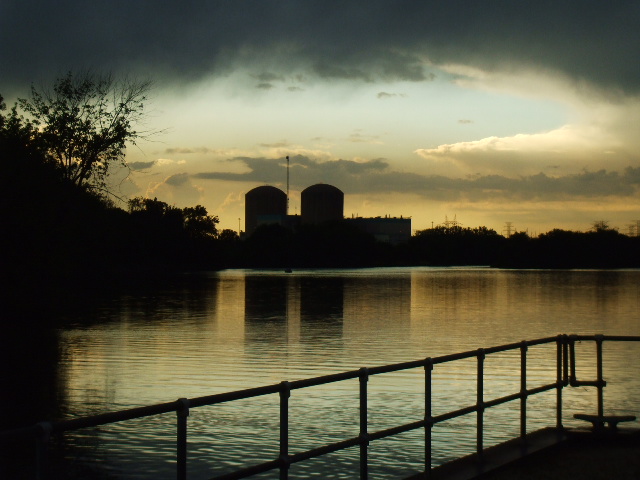
It’s out, the Prairie Island Final Supplemental Environmental Impact Statement, here are the pieces from the Commerce-EERA site. Check it out and register your comments by May 10, 2022:
Final Supplemental Environmental Impact Statement (SEIS) — Prairie Island Nuclear Plant
- SEIS Text
- Appendix A – Scoping Decision
- Appendix B – Safety of Spent Fuel Storage
- Appendix C – Cask and Canister Handling Processes
- Appendix D – Safety of Spent Fuel Transportation
- Appendix E – Comments on the Draft SEIS and Responses
There doesn’t seem to be a link to a “one stop shopping” pdf of the entire thing.
You can also find the SEIS at the Red Wing Library.
Next steps? Comments on adequacy of the SEIS.
COMMENTS DUE MAY 10, 2022

Grant Merritt weighs in on nuclear
April 14th, 2022
Grant Merritt in the STrib:
Counterpoint: Case still powerful against nuclear energy
It would be unsafe and costly for Minnesota to reverse the moratorium.
By Grant J. Merritt April 13, 2022
In response to “Times change. Minnesota nuclear moratorium must end” (Opinion Exchange, April 11), there are five reasons to retain Minnesota’s moratorium on building any more fission nuclear power plants.
The first is that ever since the Atomic Energy Commission began promoting them back in the post-World War II days, and over the ensuing 75 years, no acceptable storage locations have been found for the radioactive wastes.
The second reason is that these plants are prone to accidents, such as we had at the Monticello NSP nuclear plant on Nov. 19, 1971, when 50,000 gallons of radioactive water flowed into the Mississippi River. This caused the commissioner of the Minnesota Health Department to close the water intakes in the metro due to the threat to human health. That catapulted the accident into national news. Serious accidents occurred at the Three Mile Island nuclear plant followed by the Chernobyl and Fukushima nuclear plants.
The third reason to oppose any more of these plants here or elsewhere in the U.S. is the threat of terrorism, now being experienced at the Chernobyl nuclear power plant in Ukraine.
The fourth reason is that licensing nukes is difficult due to opposition by many people, even though the U.S. government has preempted state regulation of potential exposure to water discharges. Thanks to action by former Gov. Wendell Anderson when he was a U.S. senator, air emissions are not preempted, so the state can hold hearings on air emission permits, which would no doubt be hotly opposed.
The final reason for continuing the moratorium is that building nuclear power plants is so excessively costly that the nuclear plant that was well underway to being built on the Savannah River in South Carolina was abandoned by voters.
For these reasons the Minnesota Legislature should not reverse the nuclear moratorium.
Grant J. Merritt, of New Hope, is a retired attorney. He was executive director of the Minnesota Pollution Control Agency, 1971-75.